Breathing stale air is like sipping week-old coffee—nobody enjoys it, yet many put up with it daily. It’s time to kick that musty air to the curb and let fresh breezes sweep through your home. Airing out the house isn’t just about keeping up appearances; it’s about creating a sanctuary that feels as good as it looks.
Importance of Airing Out the House
Fresh air significantly enhances indoor air quality. Improving air quality reduces allergens and pollutants that accumulate over time. Breathing fresh air lowers the risk of respiratory issues and boosts overall health. Regularly airing out living spaces maintains a comfortable humidity level, preventing mold growth and dampness.
Ventilating the house reduces odors caused by cooking, pets, and other activities. Eliminating stale air creates a more inviting ambience in all rooms. Studies show that increased ventilation can improve mood and productivity, making spaces feel more alive. It encourages natural light, which additionally enhances the home’s atmosphere.
Aired-out homes tend to feel cooler in summer and warmer in winter, allowing for energy efficiency. Efficient air exchange can help save on heating and cooling costs. Simple actions like opening windows or using exhaust fans effectively promotes this air exchange.
Maintaining a routine of airing out the house contributes to longer-lasting interiors. By reducing the build-up of dust and irritants, homeowners protect furniture and finishes. Making it a habit ensures the home remains a healthy environment for everyone.
Incorporating plants can further enhance air quality, alongside regular airing out. Potted plants absorb carbon dioxide and release oxygen, improving the air’s freshness. Together, these practices create a more invigorating and enjoyable living space.
Benefits of Fresh Air
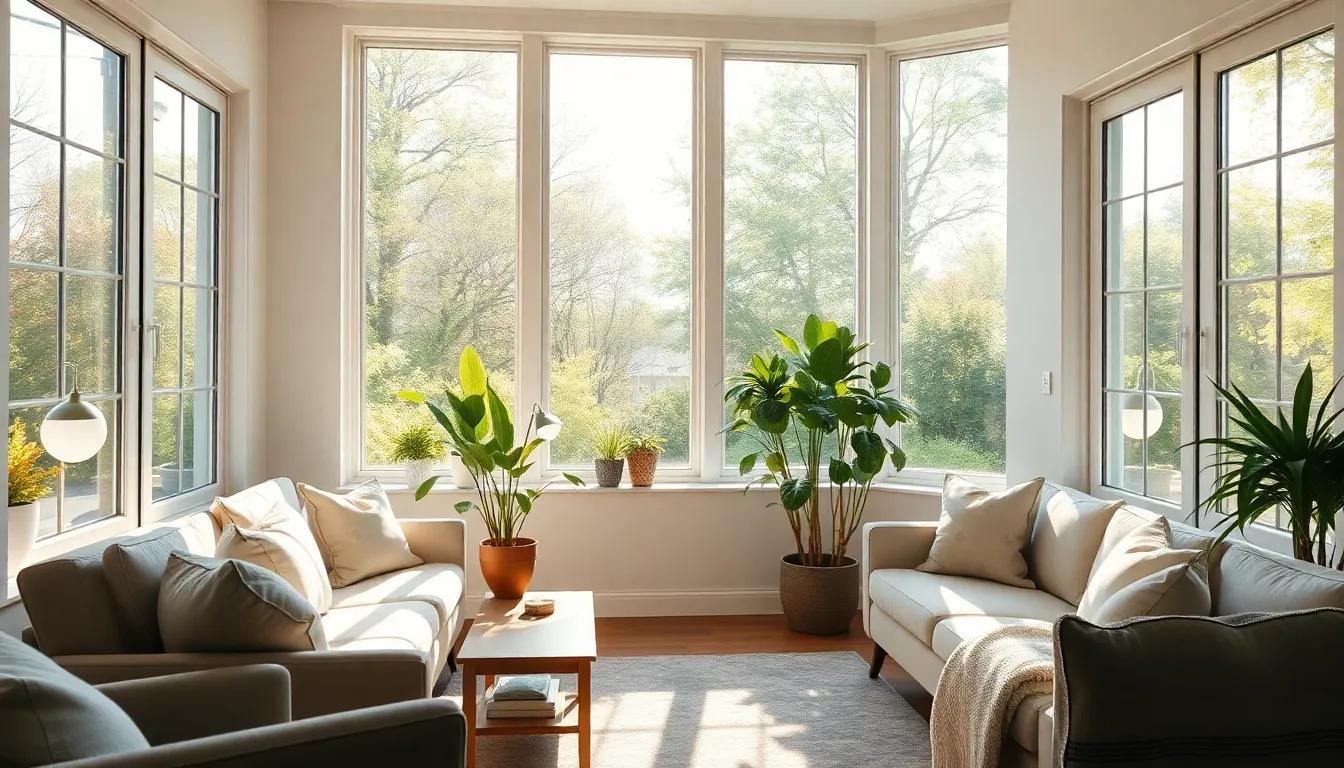
Fresh air plays a crucial role in enhancing living spaces. Improved indoor air quality and various health benefits contribute significantly to a comfortable home environment.
Improved Indoor Air Quality
Fresh air circulation drastically reduces indoor pollutants and allergens. Reducing dust, smoke, and pet dander enhances comfort. Ventilation lowers the likelihood of respiratory illnesses, fostering a healthier atmosphere. An influx of fresh air prevents the buildup of humidity, which can lead to mold growth. Maintaining optimal humidity levels supports better air quality. Regularly airing out the house keeps spaces feeling rejuvenated and lively. Studies show that occupants in well-ventilated homes experience fewer allergy symptoms. Opening windows and using exhaust fans can significantly improve perception of freshness.
Health Benefits
Improved air quality translates to better overall health. Fresh air supports lung function, leading to easier breathing and increased energy levels. A well-ventilated home can enhance mood, as fresh oxygen stimulates brain function. People who spend more time in fresh air report reduced feelings of stress and anxiety. Increased ventilation also minimizes the likelihood of mold-related illnesses. Parents notice fewer respiratory issues in children when indoor spaces receive regular airflow. Incorporating routines to air out homes promotes a consistent sense of well-being. The presence of plants within the home complements these benefits, as they naturally purify the air.
Methods to Effectively Air Out the House
Airing out a house involves utilizing simple methods for maximum effectiveness.
Opening Windows and Doors
Opening windows and doors allows fresh air to flow freely throughout living spaces. Start with windows in each room, especially those facing crosswinds for optimal circulation. This method effectively reduces indoor pollutants and enhances ventilation. The duration of this practice can range from 15 minutes to a few hours, depending on weather conditions. During milder seasons, doing this daily becomes beneficial for maintaining air quality. Occupants can notice a significant decrease in food and pet odors when allowing airflow. Prioritizing safety, ensure that open windows are equipped with screens to prevent insect entry.
Using Fans
Using fans helps facilitate air movement, promoting an enjoyable living environment. Ceiling fans can enhance existing airflow and distribute fresh air more evenly. Positioning portable fans in windows can draw in fresh air or expel stale air effectively. Setting fans to run counterclockwise during warmer months helps create a cooling effect, improving comfort levels. Regular maintenance of fans ensures optimal performance and longevity. Experimenting with fan placements can reveal the best configurations for achieving desired airflow. This practice ultimately enhances comfort and supports overall air quality enhancement.
Utilizing Air Purifiers
Utilizing air purifiers provides an additional layer of air quality improvement. High-efficiency particulate air (HEPA) filters capture allergens, reducing pollutants in the indoor environment. Remote control options or smart technology allow for easy adjustments to settings. Operating these devices continuously can significantly curb dust and pet dander buildup. Regularly replacing filters ensures that purifiers function effectively over time. Complementing natural ventilation with purifiers maximizes health benefits and contributes to an overall healthier atmosphere at home. This approach makes a noticeable difference in indoor air quality, promoting a more vibrant living space.
Common Mistakes to Avoid
When airing out the house, certain mistakes can reduce its effectiveness. Avoiding these common pitfalls ensures that fresh air circulation truly benefits indoor spaces.
Timing and Weather Considerations
Timing plays a crucial role in optimal air circulation. Ventilating during the hottest part of the day can lead to unwanted heat build-up instead of cooling. Opening windows early in the morning or late in the evening helps maintain comfortable temperatures while allowing fresher air to enter. Additionally, weather conditions matter. On windy days, air exchange increases, enhancing freshness. Be cautious; the best days to air out the house are mild and dry, minimizing humidity and allergens.
Overlooking Allergens
Ignoring allergens during ventilation can significantly impact indoor air quality. Dust mites and pollen can enter while windows are open, leading to increased allergy symptoms. Before airing out the house, check pollen counts and consider using screens to filter out larger particles. Regular cleaning of living spaces keeps allergens at bay, especially when windows remain open. Using an air purifier while airing out further reduces potential irritation, helping maintain a healthier atmosphere. Awareness of local air quality conditions contributes to effective and safe ventilation.
Airing out the house is essential for maintaining a healthy and inviting living environment. By embracing fresh air, individuals can significantly enhance indoor air quality while reducing allergens and pollutants. This simple practice not only promotes better respiratory health but also fosters a positive mood and increased productivity.
Establishing a routine for ventilation can lead to energy savings and protect home furnishings from dust and irritants. Incorporating plants further elevates air quality, creating a more vibrant atmosphere. Prioritizing fresh air circulation transforms living spaces into rejuvenating havens, ensuring comfort and well-being for all occupants.