An impact driver is one of those tools that makes people wonder how they ever lived without it. Unlike a standard drill, an impact driver delivers rotational force in rapid bursts, making it brutally efficient for fastening and driving screws. If you’ve been reaching for a cordless drill for every task, you’re working harder than you need to. Craftsman impact drivers bring proven reliability to this category, offering models that handle everything from assembling IKEA furniture to serious deck-building work. This guide walks you through what sets them apart, how to pick the right one for your needs, and how to get the most from your investment.
Table of Contents
ToggleKey Takeaways
- Craftsman impact drivers deliver rotational force through rapid bursts, making them dramatically more efficient than standard drills for sinking long fasteners in tough materials like hardwood and composite decking.
- Choose between 18V for light tasks like furniture assembly and shelving, or step up to 20V with a 2.0Ah battery for moderate DIY projects such as deck building and fence work that require longer runtime.
- A Craftsman impact driver’s compact design, weighing 3.6–4 pounds with ergonomic grip and LED work light, reduces hand fatigue and fits tight spaces that standard drills cannot access.
- Invest in impact-rated driver bits, start screws by hand before powering them in, and maintain lithium-ion batteries in cool storage to maximize tool performance and lifespan.
- Craftsman’s standardized V20 battery platform allows tool interoperability across their product line, saving money while ensuring consistent convenience across your cordless tool ecosystem.
What Is a Craftsman Impact Driver?
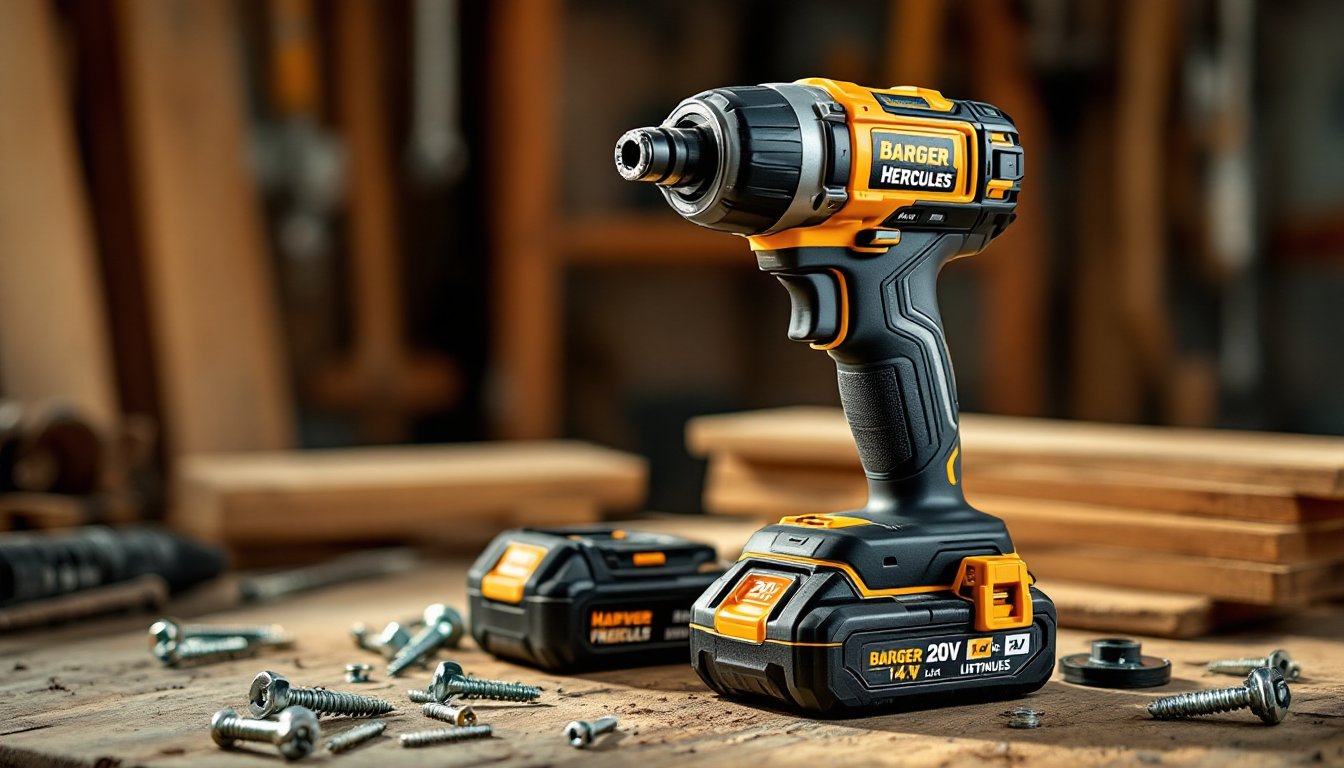
An impact driver is a compact power tool that drives fasteners using a combination of rotational force and rapid hammer-like impacts. It looks similar to a cordless drill but operates differently. While a drill applies steady, continuous torque, an impact driver channels energy through an internal mechanism, typically a rotating collar and spring, that delivers sudden bursts of force. This is why it’s so much more effective for sinking long fasteners, especially in tough materials.
The practical difference matters. A standard drill-driver might struggle with a 3.5-inch deck screw in hardwood, requiring more power and patience. An impact driver sinks the same fastener in seconds with less effort and wrist strain. Craftsman models in their impact driver lineup are built for this job. They typically feature brushless motors (more efficient, less maintenance) and lithium-ion batteries that hold their charge longer than older NiCad packs.
They’re also quieter and more compact than corded impact guns used in professional settings, making them ideal for home use. The chuck accepts both standard bits and screwdriver tips, so one tool handles multiple tasks.
Key Features That Make Craftsman Impact Drivers Stand Out
Power and Torque Performance
Power is measured in volts: torque is measured in inch-pounds (in-lbs). A Craftsman impact driver rated at 20V delivers serious capability for most DIY tasks. Look for models offering 1,500 in-lbs of torque, that’s enough to drive 3.5-inch fasteners through pressure-treated lumber or lag bolts into a joist without backing off.
More power isn’t always better. A 20V Craftsman model is significantly more versatile and less fatiguing than an 18V competitor for deck work or framing. Higher voltage impacts driving capability but also weight and cost. For casual users, an 18V model handles shelving, cabinet assembly, and light framing. Heavier projects, building raised beds, fence sections, or composite decking, benefit from stepping up to 20V.
Battery runtime is where voltage decisions pay off. A 20V battery powers longer sessions and maintains consistent torque as the battery discharges. You’ll feel the difference halfway through a long fastening job.
Design and Ergonomics
A Craftsman impact driver should feel like an extension of your arm, not a lead pipe. The best models weigh around 3.6 to 4 pounds, keeping strain manageable during overhead work or sustained fastening. A rubber overmold grip matters more than you’d think, it reduces hand fatigue on longer jobs and provides purchase when wearing work gloves.
The LED work light on the nose of the tool is nearly universal but surprisingly useful. It illuminates the fastening point, eliminating shadow and reducing mistakes. Check that the chuck is truly one-handed: loose chucks waste time and frustrate users.
Portability counts. A compact design fits tight spaces, inside cabinet frames, along joist bays, or under sink cabinets. Compare overall length: narrower designs slip into cramped areas where full-sized drills won’t fit. Craftsman’s focus on compact, balanced designs is one reason homeowners prefer them over heavier contractor-grade options.
How to Choose the Right Craftsman Impact Driver for Your Needs
Start by honestly assessing the work. Are you assembling furniture and hanging shelves, or building a 20-foot fence? Light users, hanging cabinets, assembling flat-pack items, small fastening jobs, do fine with an 18V Craftsman model running a basic 1.3Ah battery. You’ll save money and keep the tool lighter for overhead work.
Moderate DIYers tackling seasonal projects like deck assembly, framing small sheds, or fence building should step up to 20V with at least a 2.0Ah battery. This gives you enough runtime for a half-day project without swapping batteries mid-stream. Battery longevity matters: look for lithium-ion, not older chemistries.
Consider the battery ecosystem. Craftsman’s V20 platform is becoming more standardized: if you already own a Craftsman drill or saw, a matching impact driver shares batteries. This is a real convenience that saves money and simplifies charging.
Don’t overlook the bundle. Many Craftsman impact driver kits include two batteries, a charger, and a carrying bag. Compare the all-in price against buying components separately. A $99 bundle often costs less than buying the same components à la carte.
Finally, check the warranty. Craftsman typically backs tools for 3 years: professional-grade competitors often offer only 1 year. This confidence reflects design durability. If you plan to keep the tool for years, that warranty cushion is real value.
Practical Tips for Getting Started and Maximizing Performance
Start slow. Impact drivers have a learning curve. The rotational force and vibration feel alien the first time you trigger it. Sit in your driveway and drive a few test fasteners into scrap wood at low power setting. Get a feel for the tool’s bite and how it responds to resistance.
Use the right bit. Cheap bits wobble and cam out, the bit slips and twists, stripping the fastener head. Invest in a small set of impact-rated driver bits. They’re hardened steel and won’t snap or warp under rapid impacts. Popular Mechanics reviews impact driver bits and ranks top performers: a $20 set of quality bits prevents a lot of frustration.
Start screws by hand. Don’t rely on the impact driver to find and center the fastener. Especially with deck or framing screws, hand-start the screw first, thread it in by hand for two or three turns, then engage the power tool. This prevents the bit from slipping and damaging the screw head.
Maintain the battery. Lithium-ion batteries degrade if left fully discharged or in extreme heat. Store batteries in a cool space (not a hot garage in July) and charge them regularly, even if you’re not using the tool. A slow charge once monthly keeps them healthy for years.
Wear proper PPE. This Old House safety guidelines emphasize eye protection, impact drivers fling bit fragments if a driver bit breaks or the material splinters. Wear ANSI-rated safety glasses every time. For overhead work or in dusty environments, add a dust mask and hearing protection. Impact drivers aren’t painfully loud (around 85dB), but extended use benefits from ear plugs.
Know when to ask for help. Fastening composite decking requires patience and precision: driving a 3.5-inch structural screw into dense tropical hardwood taxes the tool and your patience. Fix This Build That provides detailed fastening guides for specific material combinations. When torque demands exceed your comfort level or the tool bogs down, read the details before forcing it.
Conclusion
A Craftsman impact driver is an investment that pays dividends across hundreds of projects. Pick the voltage and battery size that matches your typical jobs, take time learning the tool’s feel, and maintain the battery like it matters. With basic care and respect for the tool’s limits, your impact driver will outlast the house projects you buy it for.