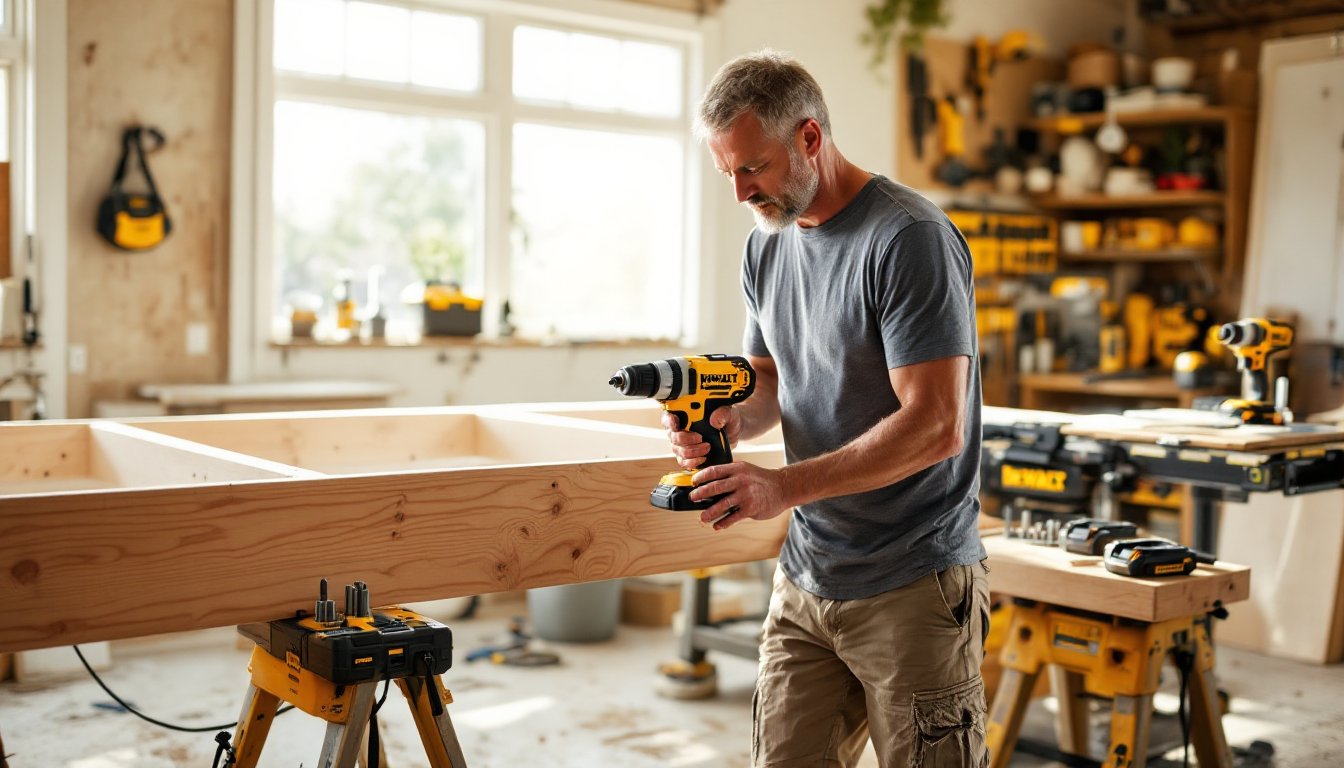
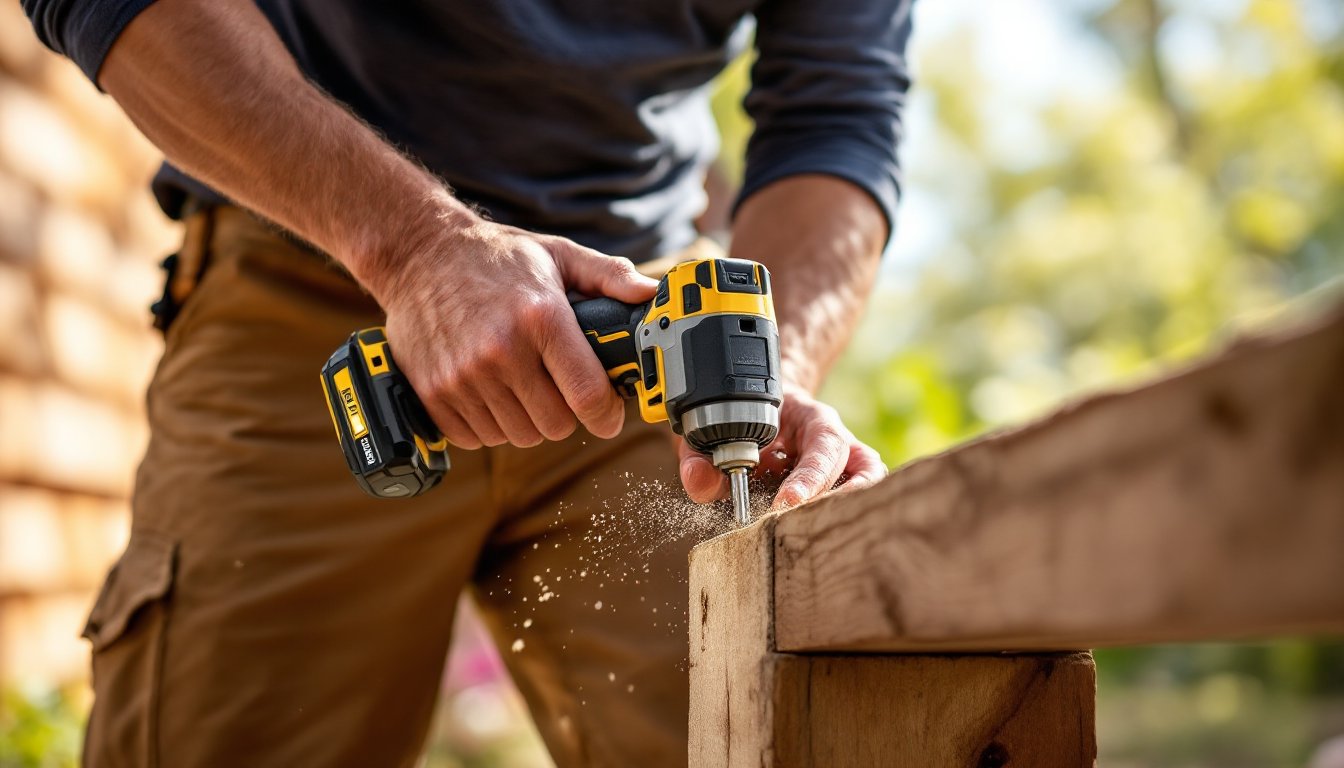
An impact driver is one of those tools that can single-handedly transform your home improvement experience. If you’re building a deck, hanging cabinets, or assembling furniture, a Milwaukee impact driver delivers the torque and speed you need without the shoulder strain of a traditional drill. Milwaukee has earned a reputation in the trade for reliability and performance, and they’ve built impact drivers for every budget and project scale. Whether you’re tackling your first project or running a workshop, finding the right Milwaukee model means understanding what separates a solid performer from overkill.
Table of Contents
ToggleKey Takeaways
- A Milwaukee impact driver delivers superior torque and speed for home improvement projects like deck building, cabinet hanging, and furniture assembly without the shoulder strain of traditional drills.
- Milwaukee’s brushless motor technology and interchangeable M12/M18 battery platforms provide reliability, longer runtime, and seamless ecosystem integration that justify the higher upfront cost.
- Choose M12 models for occasional, light-duty projects and tight spaces, or opt for M18 cordless drivers when tackling heavy fastening tasks and structural work that demands sustained power.
- Key features including 1/4-inch hex chuck, torque rating (100+ lb-ft), LED work light, and lithium-ion batteries—especially REDLITHIUM for frequent use—directly impact your fastening performance and user experience.
- Proper technique—wearing safety gear, using impact-rated bits, starting at low speed, and allowing the tool to do the work without excessive pressure—ensures both safety and superior results across projects.
Why Choose Milwaukee for Your Impact Driver?
Milwaukee’s dominance in the impact driver market isn’t by accident. They’ve invested heavily in brushless motor technology, which means less heat, longer runtime, and fewer parts to wear out. When you’re using a tool repeatedly, say, driving 200 screws into deck joists on a Saturday afternoon, that efficiency matters.
Their batteries are interchangeable across their M12 and M18 platforms, so buying one model means future tools integrate seamlessly into an ecosystem you’re already building. Milwaukee also stands behind their gear: their warranty and service network are solid. On job sites and in home workshops across North America, Milwaukee tools show up because users trust them to outlast the competition.
They’re not the cheapest option, but when a $120 tool saves you hours of frustration and delivers consistent performance over years, the math works. This Old House’s testing of impact drivers confirms what many homeowners discover: Milwaukee consistently ranks among the top performers for reliability and power.
Top Milwaukee Impact Driver Models to Consider
Cordless vs. Corded: Which Milwaukee Option Fits Your Needs
Milwaukee’s cordless lineup dominates the home improvement space, but understanding the tradeoff matters. Cordless models, primarily the M12 and M18 lines, offer freedom to move around your project, no extension cord tangling, and the ability to work outside without hunting for outlets. Most homeowners gravitate here for the convenience.
The M12 (2401-20, for example) is lightweight, compact, and perfect for hanging shelves, assembling furniture, or running fasteners through trim. It fits in tight spaces where a larger drill simply won’t fit. For faster jobs requiring less sustained power, it’s genuinely all you need. Battery life is 30–60 minutes depending on the task and battery grade.
The M18 (2853-20) is the workhorse for heavier applications: deck building, structural fastening, or long days of screwing. It delivers more torque (150 lb-ft vs. 100 lb-ft on the M12), charges faster, and batteries last longer per charge cycle. If you’re running fasteners into pressure-treated lumber or hardwood, the M18 pushes through with less bogging down.
Corded models exist but are rarer in modern Milwaukee lineups because homeowners and contractors have largely moved to cordless. If you have a permanent workshop setup and unlimited runtime is critical, they’re an option, but for most DIYers, cordless flexibility wins.
Real-world guidance: Start with an M12 if your projects are occasional and light-duty. Jump to an M18 if you’re doing serious fastening (decks, framing, cabinet assembly) or plan to use the driver weekly.
Key Features That Matter for Homeowners
Chuck type matters more than most realize. A 1/4-inch hex chuck is the industry standard for impact drivers (different from the 3/8-inch chuck on regular drills). It accepts standardized bit holders and lets you swap between Phillips, square-drive, and Robertson bits without fumbling with adapters. Make sure bits are rated for impact use: standard drill bits can shatter under the hammer-blow action.
Battery voltage (M12 = 12V, M18 = 18V) directly affects power and runtime. Higher voltage means more torque and faster fastening, but it’s also heavier. For most homeowners, 12V is enough: contractors often prefer 18V for all-day stamina.
Torque specification (measured in pound-feet or lb-ft) tells you how much rotational force the driver delivers. For light fastening and assembly, 100 lb-ft is plenty. For structural work or dense materials, 150+ lb-ft prevents bogging and strain on your wrist.
LED work light sounds minor until you’re inside a cabinet or working at dusk. Milwaukee includes these on most models, and they’re genuinely useful. Compact head design (often listed as “compact size” or “lightweight”) reduces fatigue during extended use, a factor overlooked until you’ve been driving screws for two hours straight.
Battery type also matters. Lithium-ion batteries run cooler and hold charge longer than older NiCd models. Milwaukee’s REDLITHIUM lineup is their premium tier, offering 50% more runtime and durability than standard lithium options. For casual use, standard lithium suffices: for frequent projects, invest in REDLITHIUM. Popular Mechanics’ tool guides often feature side-by-side comparisons of these battery technologies and their real-world performance.
How to Use Your Milwaukee Impact Driver Safely and Effectively
Safety first. Always wear safety glasses when using any power tool: fastener bits can snap or slip, sending shards toward your face. Work gloves prevent pinch injuries, especially when holding material. For prolonged use, hearing protection (foam plugs or earmuffs) is smart, impact drivers are loud. If you’re working overhead or in confined spaces, also consider a dust mask because fastening can kick up debris.
Kickback is rare with impact drivers (unlike circular saws), but it’s not impossible if the bit catches. Keep a firm grip with both hands, wrists straight, and maintain control. Start at low speed and ramp up only as needed.
Material prep is non-negotiable. Measure and mark fastener locations clearly. For heavy fastening (deck joists, structural fastening), use a center punch to create a guide dimple, it prevents the bit from walking and produces straighter fasteners. For drywall, cabinets, or softer materials, a quick pencil mark usually suffices.
Bit selection affects success dramatically. For woodworking or cabinetry, use premium square-drive or Phillips bits that fit snugly in the screw head, loose fits shred the head and frustrate the job. For framing fasteners (3-inch structural screws into pressure-treated lumber), a heavy-duty impact-rated square-drive bit is essential. Fix This Build That’s workshop guides offer detailed bit selection and fastening technique recommendations for specific projects.
Speed control matters. Milwaukee drivers typically have a trigger that responds to pressure (squeeze lightly for slow, squeeze hard for fast). Start slow to position the fastener, then increase speed once it’s started. This prevents cam-out and improves accuracy. For delicate work like hanging cabinet hardware, keep speed moderate: for rough fastening (decking, framing), you can let it rip.
Let the tool do the work, don’t lean hard on the fastener trying to force it. The impact action alone provides enough drive: excess pressure causes fatigue and reduces accuracy.
Conclusion
A Milwaukee impact driver is a practical investment that pays dividends across dozens of home improvement projects. Pick the voltage and model that matches your typical tasks, M12 for light work, M18 for heavy-duty fastening, and prioritize comfort (weight, grip, head size) because you’ll feel the difference. Pair it with quality bits and smart technique, and you’ll tackle projects faster and more confidently than a traditional drill allows. Start small, build your battery ecosystem, and you’ll wonder how you managed before.