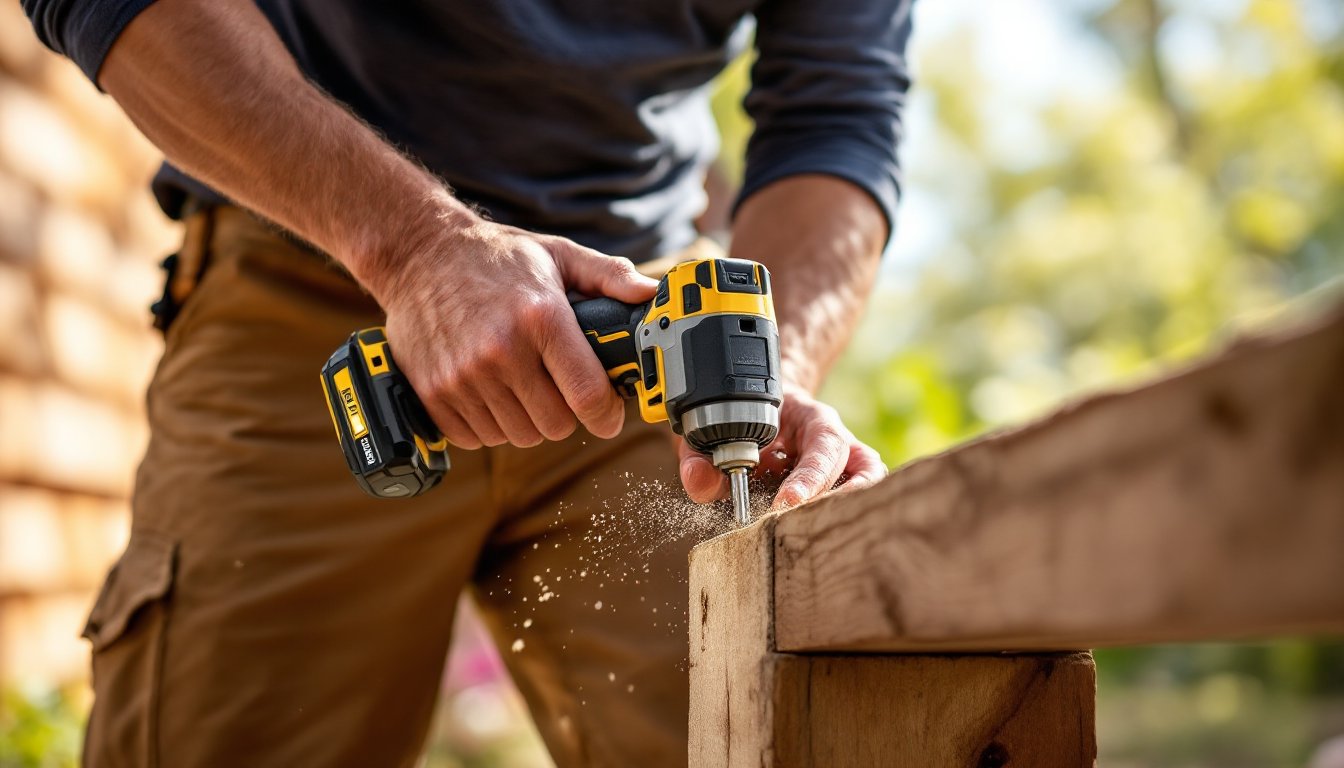
An impact driver is one of those tools that separates guesswork from precision on the jobsite. If you’re already familiar with a cordless drill, an impact driver takes that concept further, delivering concentrated bursts of rotational force that make driving fasteners faster and with less wrist strain. Hilti, a name synonymous with professional-grade power tools, brings that same engineering to models aimed at serious DIY work. This guide walks you through what makes a Hilti impact driver worth considering, which model fits your projects, and how to use one safely and keep it running strong for years to come.
Table of Contents
ToggleKey Takeaways
- A Hilti impact driver delivers concentrated bursts of rotational force that reduce wrist strain and cam-out while driving fasteners faster than a standard drill.
- Hilti impact drivers offer higher torque specs (3,600–4,000 in-lbs), faster charging lithium-ion batteries, and quick-change chuck designs that outperform consumer-grade alternatives.
- Choose your Hilti impact driver based on battery voltage (12V, 18V, or 22V), intended use, and whether your existing tools share the same platform to maximize savings.
- Always wear safety gear, start at low speed to center the bit, match the bit to the fastener, and let the tool do the work rather than forcing it through dense material.
- Regular maintenance—cleaning vents, storing batteries properly, and inspecting contacts—keeps your Hilti impact driver performing reliably for years at minimal cost.
What Is a Hilti Impact Driver and Why It Matters for Your Projects
An impact driver is a compact, high-torque tool that drives screws and fasteners using rapid, repetitive impacts, imagine a series of controlled hammer blows combined with spinning. A regular drill spins continuously: an impact driver adds that pulsing force, which reduces cam-out (the bit skipping out of the screw head) and lets you push harder into the tool instead of fighting resistance.
Hilti impact drivers are engineered for durability and consistent performance. They’re heavier-duty than consumer-grade options, with better heat dissipation, more robust gearboxes, and stronger batteries. If you’re running decking, framing, or any project that involves dozens or hundreds of fasteners, an impact driver saves your shoulder and wrists while delivering results faster than a standard drill.
They’re also indispensable for fastening into dense materials, hard-packed dirt for outdoor posts, composite decking, or engineered lumber. The impact mechanism overcomes resistance without requiring brute force from you. For a homeowner tackling serious projects, the investment pays for itself in time and reduced fatigue.
Key Features That Make Hilti Impact Drivers Stand Out
Hilti’s reputation comes from three things: reliability, precision engineering, and features that matter on real jobs. Their impact drivers pack higher torque specs than equivalent consumer models, typically in the 3,600–4,000 in-lbs range depending on the model. That means you’re driving longer fasteners and into tougher materials without bogging down.
Battery systems are another differentiator. Hilti’s lithium-ion batteries charge faster and hold voltage better under load than older designs, so your tool delivers consistent power from the first screw to the last in a session. Many models include two batteries, so one’s charging while you work.
The chuck is typically a quick-change design (often a 1/4-inch hex collet), which means bits swap in one smooth motion. No fumbling with a key or waiting for threads to catch. Ergonomics matter too, Hilti designs handles to reduce vibration and heat transfer to your hand, and the tool’s compact profile gives you access to tight spaces.
Power, Speed, and Torque Performance
Hilti impact drivers typically spin at 1,500–3,000 impacts per minute (IPM), with torque ranging from 1,600 to 4,000 in-lbs depending on the model and battery capacity. For context, that’s roughly double what you’d get from a mid-range consumer brand. Higher IPM means faster driving without increased user effort. The variable speed trigger on most models lets you start slow for precision (avoiding bit slip on stripped screws or soft materials) and ramp up for production work.
Real-world performance: You can drive a 3-inch deck screw into pressure-treated lumber with one battery charge for about 150–200 fasteners, depending on material density and screw length. Hardwoods will require more effort and drain the battery faster. Hilti’s motor stays cooler than competitors’ during extended use, which means less thermal throttling (the tool ramping down when it overheats).
Choosing the Right Hilti Impact Driver for Your Needs
Hilti’s lineup includes models for different power levels and budgets. Entry-level models (compact, lighter) suit indoor fastening, drywall, cabinetry, light framing. Mid-range models balance power and weight, handling most residential projects. Professional-grade versions are heavier, deliver maximum torque, and come with tool-only or combo-kit options.
Decide based on three factors: battery voltage (typically 12V, 18V, or 22V), intended use (light vs. heavy-duty), and budget. A 12V Hilti impact driver is enough for hanging shelves, installing hinges, or light decking work. An 18V model handles framing, outdoor projects, and extended use. A 22V system delivers maximum power but weighs more, consider it only if you’re regularly driving into dense material.
Think about your existing tools, too. If you already own Hilti batteries and chargers, sticking with the same voltage platform saves money. If you’re starting fresh, an 18V combo kit (impact driver plus drill) is a solid entry point. Check whether the kit includes two batteries: one is never enough for a full project day.
Budget varies widely by model and market conditions, but expect $150–$400 for a basic tool-only impact driver from Hilti, and $300–$600+ for a kit with batteries and charger. Professional-grade setups run higher. Compare not just the sticker price but the warranty (Hilti’s is strong) and whether replacement batteries and chargers are available locally, that matters more than savings on a discount site if you need parts quickly.
Best Practices for Using Your Hilti Impact Driver Safely and Effectively
Safety first: Always wear eye protection (safety glasses or a face shield) when using any power tool, and heavy work gloves to prevent getting caught or pinched. Hearing protection is also recommended, impact drivers are loud, often 85–90 dB. Never operate one with loose clothing, and tie back long hair.
Before you start, acclimate batteries to the ambient temperature if you’ve transported them in extreme heat or cold. A cold battery won’t deliver full power until it warms up. Always inspect the bit for damage, a chipped or bent bit skips in the fastener head, wasting time and risking injury.
- Start slow. Use the variable speed trigger to begin at low speed, centering the bit in the fastener head. Once engaged, ramp up to full speed for the drive. This prevents cam-out and saves stripped screws.
- Match the bit to the fastener. A Phillips bit that doesn’t fit snugly in a Phillips screw will slip. Use the right size and type every time.
- Don’t force it. If the fastener isn’t sinking or the tool bogs down, stop and investigate. The fastener might be too long, the material too dense, or the bit wrong. Pushing harder risks burning out the motor or snapping the fastener.
- Maintain firm grip and stance. Hold the tool with both hands, keep your body balanced, and brace yourself for reaction torque. If a bit catches (rare but possible), the tool can twist sharply in your hands.
- Let the tool do the work. The impact mechanism provides the force: you provide control and direction. Don’t lean into it like you’re drilling by hand.
Resources like Popular Mechanics tool reviews and This Old House tutorials offer hands-on guidance for specific projects if you’re new to impact drivers.
Maintenance Tips to Keep Your Tool in Top Condition
A Hilti impact driver lasts years with minimal upkeep. After each use, wipe down the exterior with a dry cloth to remove dust and debris. If you’re working in dusty conditions, use a brush to clear the air vents (usually on the motor housing): blocked vents trap heat and shorten tool life.
Batteries need care too. Store them in a cool, dry place, not in a hot van or garage over summer, and not left on a concrete floor over winter. A trickle charger or maintainer can extend battery life if you’re storing them long-term. Inspect the battery contacts yearly: corroded contacts reduce charging efficiency. A damp cloth and a little rubbing alcohol cleans them if needed.
The chuck and collet should be clean and dry. If bits stick or twist hard to remove, don’t force them. Gently tap the tool body while turning the bit: if that doesn’t work, a small amount of penetrating oil on the collet (not inside the motor) can help. Wipe away excess oil before the next use.
Keep the trigger smooth and responsive. If the variable speed feels gritty or sluggish, avoid trying to disassemble it yourself, that voids the warranty. Contact Hilti or an authorized service center. Finally, inspect the cable and charger regularly for damage. Don’t yank the power cord or coil it tightly while hot: heat and stress degrade the insulation.
Hilti offers replacement parts and repair services, and many regions have authorized dealers who stock common items like chucks, batteries, and chargers. Keeping receipts and warranty documentation makes warranty claims straightforward if something fails prematurely. Regular maintenance is cheaper and easier than emergency repairs.
Conclusion
A Hilti impact driver is a serious investment, but for anyone tackling frequent fastening work, decking, framing, outdoor projects, or cabinet building, it’s worth the money. The reduced fatigue, faster throughput, and reliability mean you spend less time fighting the tool and more time actually building. Choose a model that matches your battery ecosystem and power needs, follow safety practices, and maintain it properly. Your shoulder will thank you, and the tool will keep working for years. That’s the DIY payoff: smart tools used right make any project feel manageable.