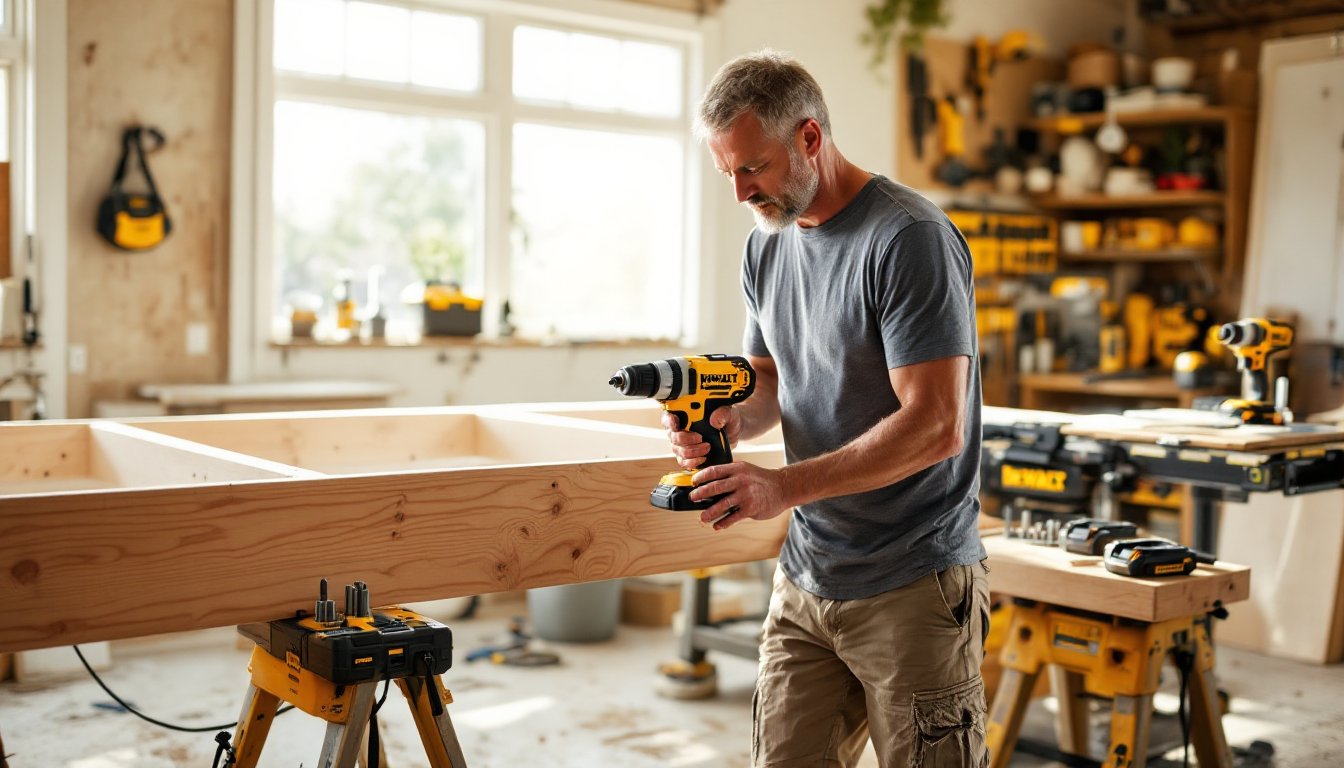
An impact driver isn’t just another drill in the toolbox, it’s a game-changer for anyone tackling fastening and driving tasks. Unlike a regular drill, a Hart impact driver delivers concentrated bursts of rotational force, making it far superior for driving screws into dense materials, breaking loose stubborn fasteners, and powering through projects that would leave a standard drill struggling. For homeowners and DIY enthusiasts tackling everything from deck building to furniture assembly, understanding how an impact driver works and why it matters can transform your projects from frustrating to efficient.
Table of Contents
ToggleKey Takeaways
- A Hart impact driver delivers rapid bursts of rotational force that prevent bit slip and drive fasteners into dense materials far more effectively than a standard drill.
- Hart impact drivers in the 18V–20V range with 1,500–3,000 inch-pounds of torque handle 95% of residential fastening needs, from deck building to furniture assembly.
- Lithium-ion batteries rated 2.0Ah or higher, paired with a fast charger, eliminate project downtime by allowing one battery to charge while you work with another.
- Impact drivers excel at breaking loose rusted fasteners, reducing hand fatigue on marathon projects, and reaching tight spaces like inside cabinets—advantages a regular drill simply cannot match.
- Choosing the right Hart impact driver requires assessing your typical tasks, checking battery ecosystem compatibility with other tools, and prioritizing weight and ergonomic comfort for overhead or extended use.
- Combo kits with two batteries, a charger, and multiple drive modes offer the best value and flexibility for homeowners tackling diverse DIY projects throughout the year.
What Is A Hart Impact Driver And Why You Need One
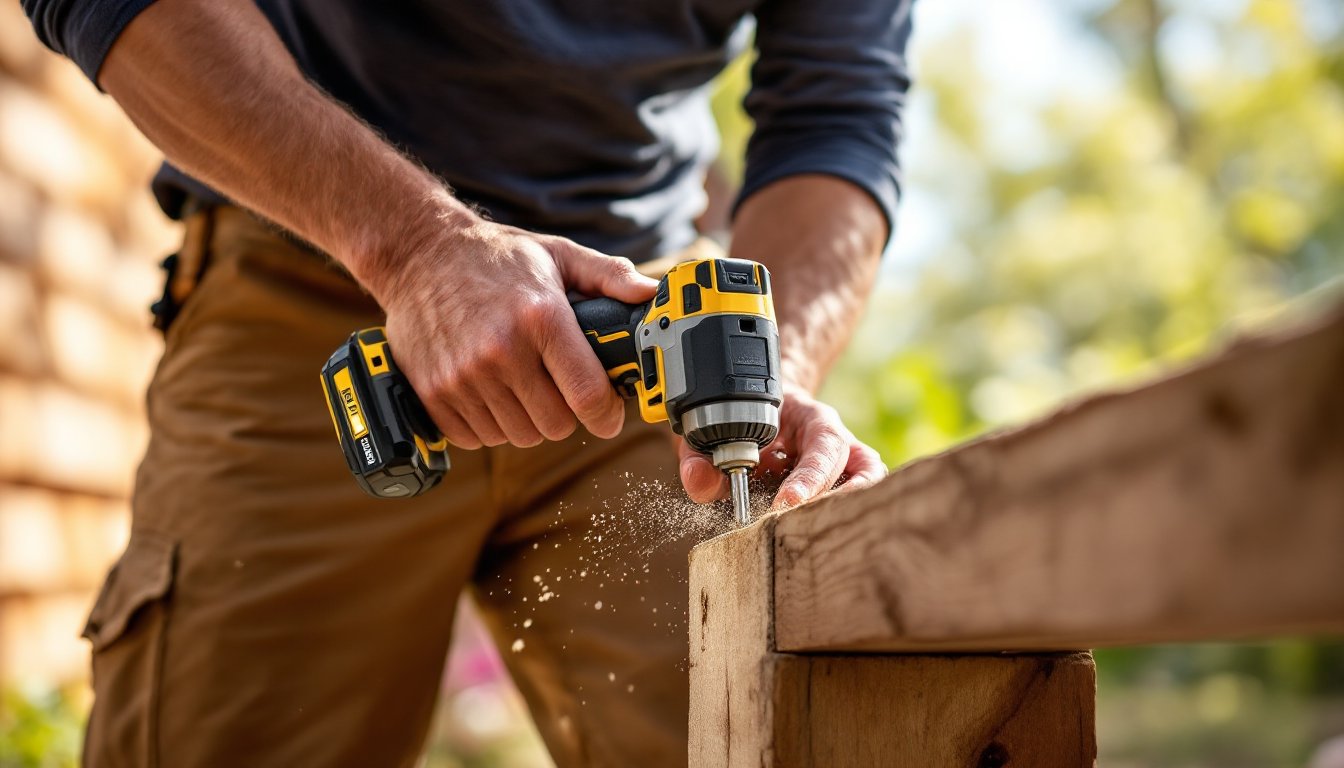
A Hart impact driver is a compact power tool that combines a rotating chuck with an internal mechanism that delivers rapid pulses of force. Think of it as a hammer and drill merged into one: as you squeeze the trigger, the tool spins while simultaneously striking thousands of micro-impacts per minute. This dual action prevents the annoying “bit slip” you get with regular drills and lets you drive a 3-inch deck screw through pressure-treated lumber without burning out the motor.
The key difference comes down to torque delivery. A standard drill applies steady, continuous force: an impact driver applies force in quick bursts, multiplying your effective driving power without requiring extra physical effort. This matters when you’re fastening into hardwoods, composite materials, or lag bolts. You’ll also notice the compact form factor, impact drivers are typically shorter and lighter than drills, making them ideal for tight spaces like inside cabinets or between joists. For fastening-heavy projects like deck building, fence installation, or drywall mounting, a Hart impact driver saves time and reduces hand fatigue.
Key Features That Set Hart Impact Drivers Apart
Power And Performance Capabilities
Hart impact drivers come in several voltage classes, typically 18V, 20V, and sometimes higher. The 18V or 20V lithium-ion models are the workhorses for most homeowners, they deliver enough torque (usually between 1,500 and 3,000 inch-pounds) to handle deck screws, cabinet hardware, and structural fastening without overkill. Torque specs matter: higher numbers mean less chance of bit camout (when the bit slips out of the screw head), especially with Phillips-head or square-drive fasteners. Hart’s mid-range models typically offer 1,800 to 2,500 inch-pounds, which covers 95% of residential fastening needs without the bulk or cost of a heavier professional-grade tool.
Speed is another metric to watch. Most Hart impact drivers spin at 3,000 RPM (revolutions per minute) or faster, with impact rates around 3,000 impacts per minute. That combination means screws seat faster and more consistently. For light-duty fastening, such as hanging shelves or assembling furniture, a 2,000 RPM model works fine. For dense materials or production-speed deck building, the 3,000+ RPM models shine.
Battery Life And Charging Technology
Lithium-ion batteries are the standard now, and Hart uses quality cells that maintain voltage throughout the charge cycle. A typical 20V 1.3Ah battery (measured in amp-hours) handles roughly 20–40 fastening operations depending on material density and fastener size. A 2.0Ah or 4.0Ah battery extends runtime considerably: if you’re doing a full-day project, having two batteries, one charging while you work, eliminates downtime.
Charging speed matters on site. Standard chargers take 30–60 minutes: fast chargers can refill a battery in 20 minutes or less. Hart’s chargers are reasonably compact and often support multiple battery voltages, so investing in extra batteries and a second charger is a practical setup if you’re running multiple tools. Look for chargers with battery health indicators, they’ll show you if a battery is degrading before it fully dies on the job.
Practical Applications For Home Improvement Projects
Impact drivers are workhorses on a staggering range of DIY jobs. For deck building, you’ll drive 3-inch composite or pressure-treated screws through joists into ledger boards: an impact driver makes this task effortless compared to a regular drill. The rapid impacts push fasteners home with consistent depth, reducing the stripped-head fasteners and crooked driving that slow traditional methods.
Furniture assembly, whether flat-pack pieces or hardwood builds, is where the compact size shines. You can reach inside cabinet frames or under tables without contorting your wrists. Hanging drywall on ceilings or walls isn’t technically “DIY” (most codes require licensed pros for structural drywall), but fastenering trim boards, paneling, or shiplap is fair game, and an impact driver handles all three with precision and speed.
Landscape and structural projects like fence installation, pergola building, or installing hardware (hinges, brackets, bolts) all benefit from consistent torque control. The quick fastening means less hand fatigue on marathon days. When you’re breaking loose rusted bolts (with an appropriate bit or socket adapter), the impact mechanism cuts through corrosion far more effectively than a drill’s steady rotation. Homeowners tackling projects described in This Old House renovation guides or Popular Mechanics tool reviews consistently rate impact drivers as the single biggest time-saver in their toolkit.
How To Choose The Right Hart Impact Driver For Your Needs
Start by assessing your typical fastening tasks. If you’re mostly hanging shelves, assembling furniture, and doing light trim work, an 18V or 20V compact model with 1,500–2,000 inch-pounds of torque is plenty, and it’ll cost less than heavier professional models. If you’re planning a major deck build, fence project, or routine landscaping work, jump to 2,500+ inch-pounds and invest in a 2Ah or larger battery.
Consider the battery ecosystem. If you already own other Hart tools running the same 20V batteries, that’s a huge advantage, you can share batteries across tools and consolidate your chargers. Buying into an existing battery system is far cheaper than starting fresh with every new tool. Check whether the bundle includes two batteries and a charger: combo kits are almost always cheaper per unit than buying the tool alone.
Torque control and mode selection matter for precision work. Some Hart models offer adjustable torque settings (often labeled as “drive modes”) that let you dial back power for delicate fastening, useful when driving into softwoods where over-driving splits the material or when working with small hardware. Variable-speed triggers give you finer control than on-off switches.
Weight and ergonomics are often overlooked. Impact drivers are lighter than drills, but if you’re overhead on a ladder for hours, 4 pounds feels different than 5 pounds. Read reviews specifically mentioning grip comfort and balance: a well-designed handle reduces fatigue on extended jobs. Finally, check the warranty (Hart typically offers 3–5 years) and whether your local retailers stock batteries and bits. Being locked into online ordering when you need a replacement battery tomorrow is frustrating. Woodworking guides from Fix This Build That often recommend impact drivers and highlight practical considerations like ergonomics and battery availability that matter on real projects.
Conclusion
A Hart impact driver is one of the few power tools that genuinely earns its place in a home toolbox. The efficiency gains on fastening tasks, the reduced hand fatigue, and the superior results on dense materials make it an essential purchase for any serious DIYer. Whether you’re building a deck this spring, installing fence panels, or just tired of wrestling with a standard drill on production fastening, the right Hart impact driver will pay for itself in time and frustration saved on your first major project.