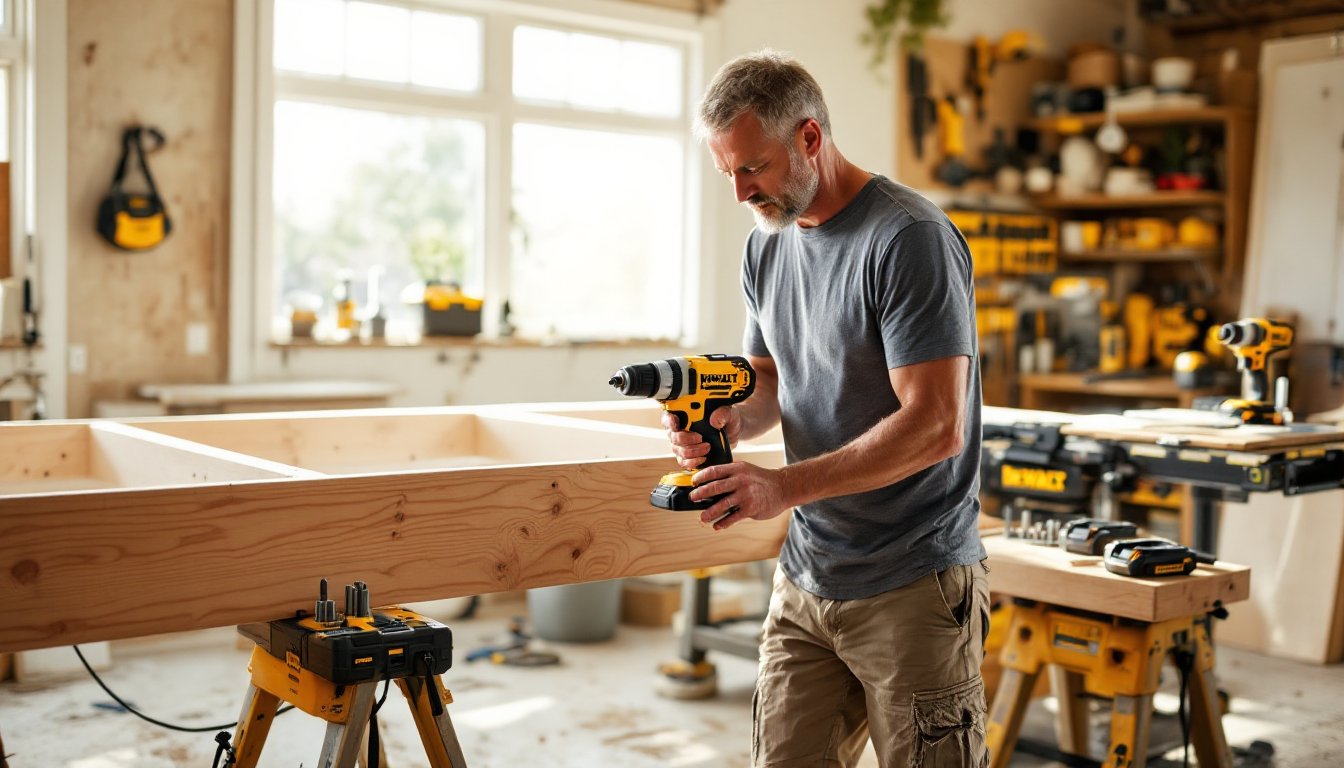
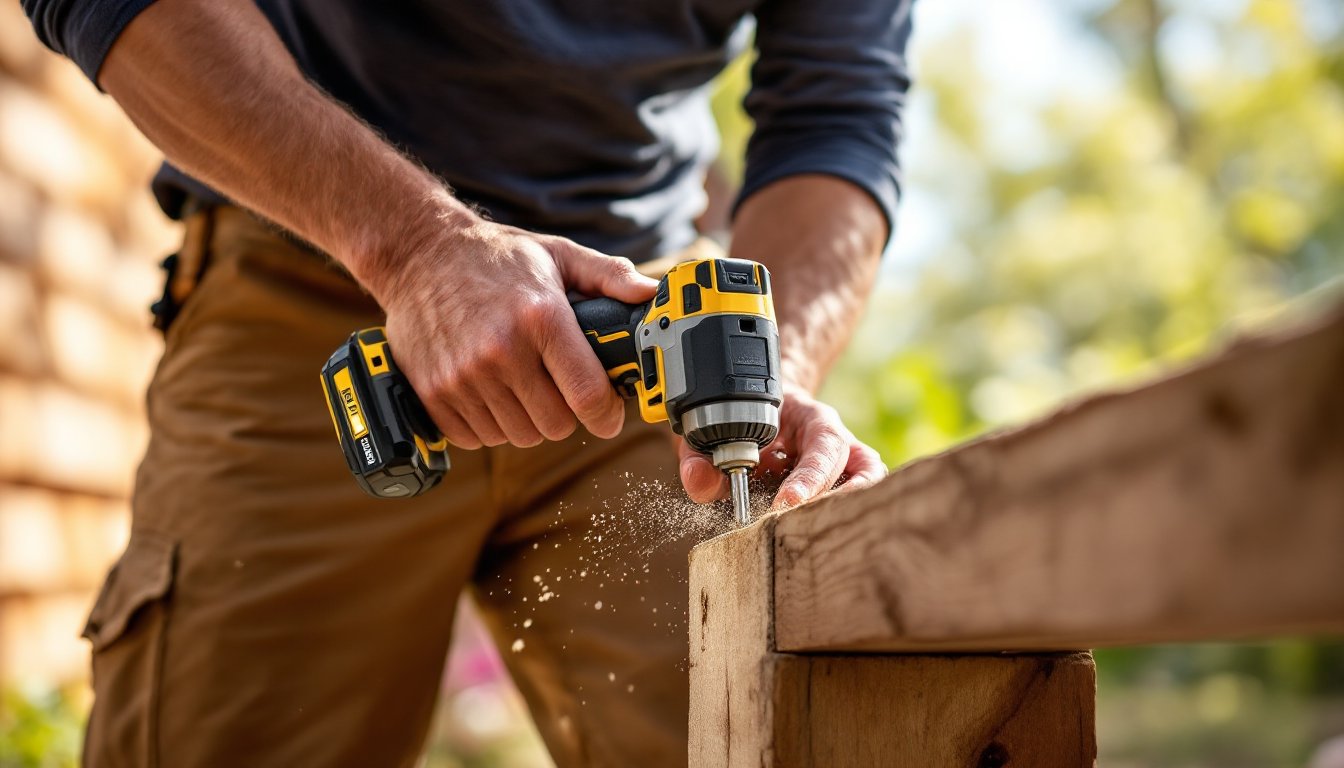
An impact driver is one of those tools that sits on the shelf at Home Depot and seems deceptively simple until you actually use one. Unlike a standard drill, an impact driver delivers rotational bursts, thousands per minute, that make driving screws faster, easier, and far less likely to strip them. If you’re serious about tackling projects around your home, from deck building to cabinet assembly, an impact driver transforms what would be frustrating into something genuinely enjoyable. This guide breaks down what to look for, which models Home Depot stocks that actually deliver, and how to use one safely and effectively.
Table of Contents
ToggleKey Takeaways
- An impact driver delivers rapid rotational bursts that drive screws faster and cleaner than a standard drill, making it essential for deck building, cabinetry, and fence projects.
- Home Depot’s 2026 impact driver selection ranges from budget entry-level models ($60–$120) for beginners to professional-grade options ($150–$250) with advanced speed settings and torque control.
- Choose a Home Depot impact driver based on battery compatibility with your existing tools—20-volt systems now dominate the market and ensure you can share batteries across multiple tools.
- Key specs that matter are chuck quality, compact weight (2.5–3.5 pounds), torque range (400–1,500 inch-pounds), and included batteries rather than raw IPM numbers.
- Use impact-rated bits, start with low or medium speed, maintain proper bit alignment, and match fasteners to materials to avoid stripping and ensure project longevity.
- Prioritize battery care by avoiding full daily discharge and storing packs in cool, dry conditions to extend lifespan to 2–4 years of reliable use.
What Is an Impact Driver and Why You Need One
An impact driver differs from a traditional drill in a fundamental way: it uses a mechanical clutch inside the head to deliver rapid, controlled impacts on the fastener rather than continuous rotational force. Think of it like the difference between a steady push and a series of quick taps. That impact action lets you drive large screws into dense wood, lag bolts into framing, or deck screws into composite materials without the tool jumping or twisting your wrist.
Why does this matter? A regular drill can strip a screw head if you’re not careful or apply uneven pressure. An impact driver grips the screw from the first engagement and maintains consistent downward force. It’s also more compact and lighter than a full-sized drill, making it ideal for overhead work or confined spaces. Most home projects, fence repairs, deck work, cabinetry, outdoor furniture assembly, are faster and cleaner with an impact driver in hand.
You don’t need one if you only hang the occasional shelf, but once you’ve used one for fastening work, you’ll wonder how you ever managed without it. The learning curve is steep but short.
Top Impact Driver Models at Home Depot in 2026
Home Depot’s impact driver selection in 2026 spans from compact budget models to professional-grade powerhouses. Most homeowners find success with cordless 18-volt or 20-volt models from brands like DeWalt, Milwaukee, Makita, and Bosch. Battery compatibility matters: stick with one brand family if you own other cordless tools so you can share batteries and chargers.
When shopping, check the torque rating (measured in foot-pounds or inch-pounds), RPM (rotations per minute), and IPM (impacts per minute). Higher numbers don’t always mean better for DIY, a 1,500 IPM driver will handle most home projects just fine, while a 3,000 IPM rig is overkill unless you’re framinghouses daily.
Best Value Options for Beginners
Entry-level models in the $60–$120 range are stripped-down but reliable. They typically offer basic electronic speed control, a single speed setting, and a compact head. These are honest tools that drive fasteners without fancy features you won’t use. Look for models with good reviews on runtime and consistency, brands like DeWalt’s 20V Max basic line and Makita’s compact 18V drivers are solid choices. A beginner doesn’t need adjustable torque settings or three speed modes: focus on ergonomics, battery life, and whether the chuck holds bits securely.
These lighter-duty models excel for assembling furniture, fastening trim, or hanging shelves. If you’re building a deck or doing structural work, you might feel the strain, but for general use, they’re legitimate buys.
Professional-Grade Choices for Serious DIYers
Step up to $150–$250 and you’re in the serious DIY zone. Models like the DeWalt 20V Max Premium offer multiple speed settings, adjustable torque rings, and better ergonomics. The trade-offs are worth it if you’re tackling large decks, fence projects, or cabinetry work where speed and power save your arm and back. According to leading tool reviews, professional-grade compact drivers consistently outperform budget models in sustained use and screw consistency.
These tools have better battery efficiency, stronger chucks, and more refined weight distribution. You’ll also find longer warranties and better customer support. If you own a circular saw or reciprocating saw from the same brand, buying the matching impact driver makes sense for battery sharing and consistency.
Key Features to Compare Before You Buy
Before you hand over your card at Home Depot, understand what specs actually matter for your work:
Voltage & Battery Compatibility. Home Depot carries 20-volt systems (DeWalt, Makita, Milwaukee) and some 18-volt models. Higher voltage usually means longer runtime and more power, but 20-volt tools now dominate the market. If you already own tools in one system, stick with it. Compatibility saves money and frustration.
Size & Weight. A compact impact driver weighs 2.5–3.5 pounds without the battery. Heavier models offer more torque but fatigue you on overhead work. Unless you’re driving 3-inch lag bolts all day, compact is smarter for DIY.
Torque & Speed Settings. Most DIY drivers offer 400–1,500 inch-pounds of torque. Multiple speed settings (low, medium, high) let you control fastening for delicate tasks like cabinetry or go full throttle for rough framing. An adjustable torque ring prevents over-driving screws into soft materials.
Chuck Quality. The grip that holds your bits matters. Look for models with solid, self-tightening 1/4-inch hex chucks. Poor chucks slip under load and frustrate quickly. Family Handyman testing confirms that chuck consistency is one of the biggest reliability differentiators between budget and mid-range models.
Battery & Charger Inclusion. Does the kit include one or two batteries? Fast chargers matter if you’re doing all-day work. A second battery means you keep working while one charges.
How to Use Your Impact Driver Safely and Effectively
Impact drivers are straightforward but demand respect. Here’s how to use one without bending a bit or losing a knuckle:
Safety Essentials. Wear safety glasses, bit ejection is rare but real. Use gloves if you’re fastening in dusty areas, and hearing protection if you’re driving hundreds of screws in one session. The sound isn’t deafening, but hours of it adds up. Position your body so the tool stays under control if it suddenly torques: impact drivers rarely kick like a corded drill, but they can still surprise you.
Bit Selection. Use #2 Phillips bits or square-drive bits for wood fastening. Impact-rated bits are stronger and less likely to strip. A worn bit is your enemy, swap it out the moment you notice it’s not seating cleanly. Cheap bits strip screw heads: it’s not worth saving a dollar.
Driving Technique. Start with your low or medium speed setting unless you’re driving into dense material. Let the tool do the work, don’t lean hard: that defeats the impact action. Align the bit straight into the screw. A 15-degree angle will strip the head every time. For wood, start with a pilot hole on anything 1/2-inch thick or harder to reduce splitting.
Fastener Type Matters. Corrosion-resistant deck screws or treated-lumber fasteners aren’t just nice: they’re necessary for outdoor projects. Popular Mechanics guides emphasize that fastener choice affects longevity as much as technique. Don’t drive a Phillips-head drywall screw into oak and expect a clean result: match the fastener to the material and environment.
Battery Care. Lithium-ion batteries last longer if you avoid fully discharging them daily. Store batteries in a cool, dry place, and don’t leave them in direct sun. A well-kept battery pack should give you 2–4 years of reliable use before capacity noticeably drops.
Conclusion
An impact driver from Home Depot is an investment that pays dividends across every fastening project you tackle. Choose based on your project scope and budget: beginners and light-duty users find solid value in entry-level models, while serious DIYers justify the step up to professional-grade tools. Prioritize battery compatibility, chuck quality, and ergonomics over raw power specs. Once you own one, you’ll be reaching for it instead of your drill, that’s how good the fit is for real home projects.