If you’re standing in the tool aisle wondering whether to grab an impact driver or a hammer drill, you’re asking the right question, but the answer isn’t one-size-fits-all. Both tools look similar at a glance: compact, cordless, battery-powered. But they work entirely differently, and picking the wrong one means frustration, wasted battery, or a job that takes twice as long. This guide breaks down how each tool works, what they’re actually built for, and which one belongs in your garage.
Table of Contents
ToggleKey Takeaways
- Impact drivers excel at fastening work with rapid rotational impacts delivering 1,500–3,800 RPM, while hammer drills combine rotation with percussion at lower speeds (400–1,300 RPM) for masonry and concrete applications.
- An impact driver is ideal for homeowners handling decking, framing, cabinet assembly, and general fastening tasks, offering battery efficiency with 50–100 fasteners per charge and minimal wrist strain.
- Hammer drills are essential for drilling into concrete, brick, and masonry where the percussion mechanism shatters hard materials, making them irreplaceable for foundation work and concrete anchoring.
- Impact drivers typically cost $80–$250 while hammer drills range $100–$300; investing in brushless motors extends tool life by 5–10+ years and justifies the extra $30–$50 expense.
- Most homeowners benefit from owning both tools: an impact driver handles 80% of fastening jobs efficiently, while a hammer drill tackles the remaining 20% of masonry work that requires percussion force.
Key Differences Between Impact Drivers and Hammer Drills
How Each Tool Works
An impact driver uses concussive bursts, rapid rotational impacts delivered thousands of times per minute, to drive fasteners. Think of it like a mechanical jab: it spins, stops, impacts, spins again. That hammer-like action multiplies torque without requiring you to muscle the tool. The chuck (the bit-holding end) twists, releases, and twists again in quick succession.
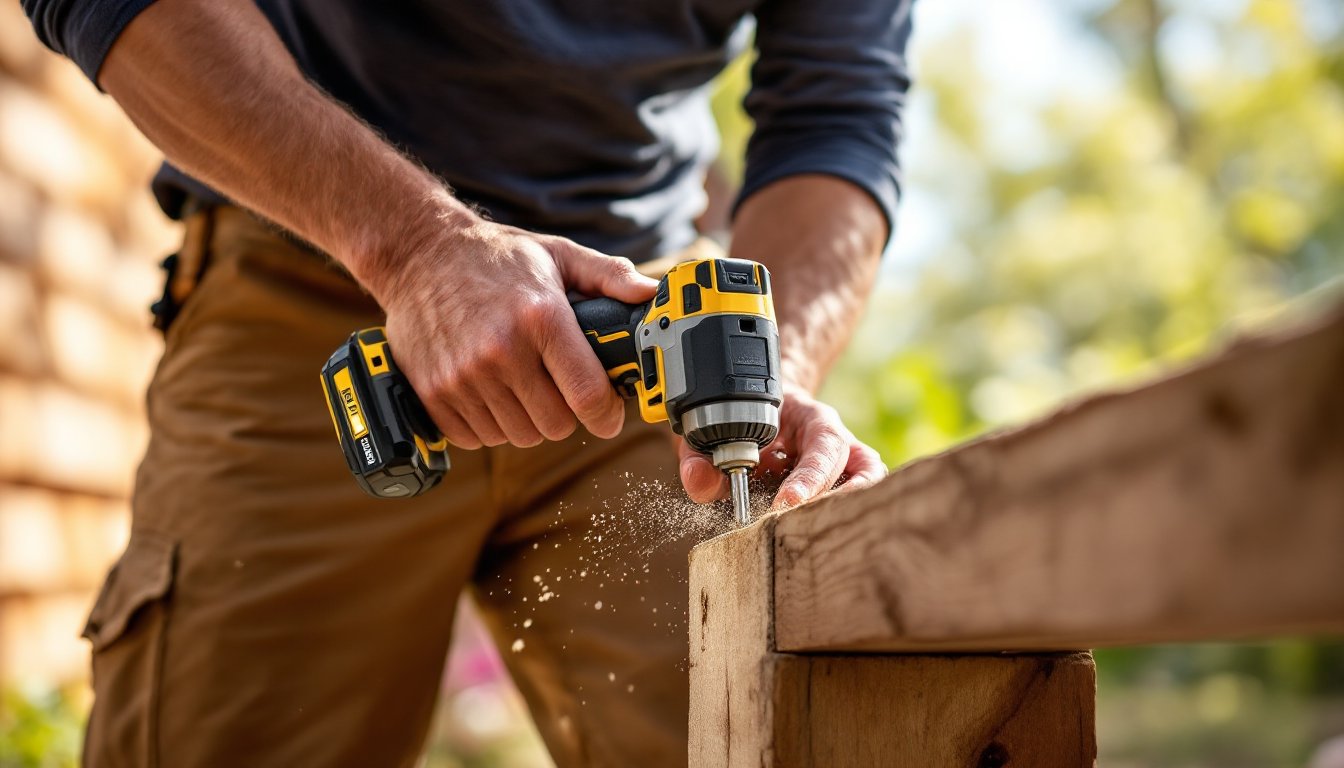
A hammer drill works differently. It combines traditional rotating motion with a forward-and-backward hammer action that pounds the bit into the surface. Imagine a jackhammer scaled down to handheld size. The bit spirals while also being driven straight into the work, making it ideal for masonry and concrete where sheer force matters. Most modern hammer drills let you toggle the hammering action on and off, so you can switch to regular drilling when needed.
Power and Performance Comparison
Impact drivers typically deliver 1,500–3,800 RPM (rotations per minute) and 1,000–2,000 foot-pounds of torque. They’re precision tools designed to drive fasteners: screws, bolts, and small nails. They excel at twisting with minimal kickback because the impact action does the work, not raw rotational force. An impact driver is light, fast, and leaves almost no stress on your wrist.
Hammer drills operate at 400–1,300 RPM with a separate percussion mechanism that strikes 1,000–5,000 times per minute. That lower RPM combined with powerful impacts makes them workhorses for drilling through concrete, brick, and stone. But, that hammering action, while essential for masonry, creates vibration and noise that make them less comfortable for extended fastening work. You’ll feel every blow.
When to Use an Impact Driver
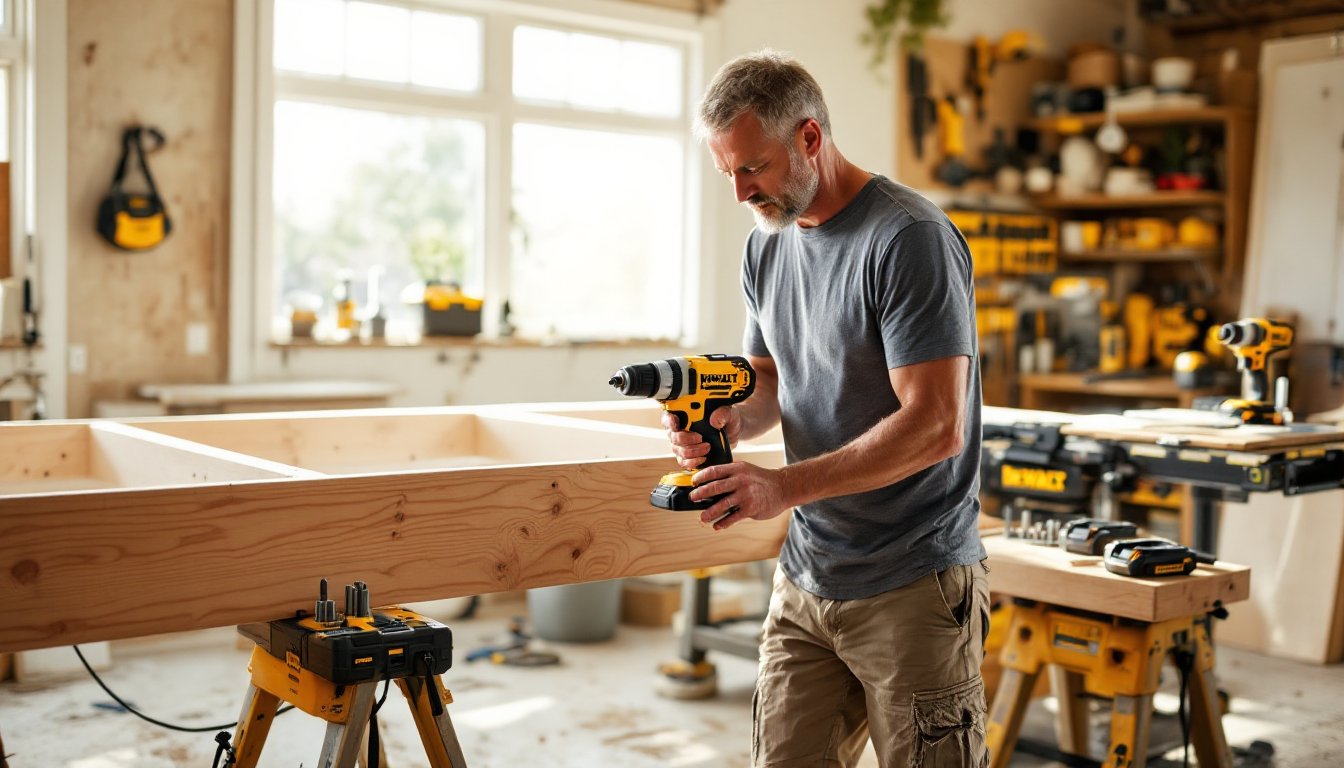
An impact driver is your go-to for fastening work. Driving ½-inch lag bolts through pressure-treated lumber, sinking 3-inch deck screws into hardwood, assembling cabinet hardware, or hanging shelves all become faster and easier with an impact driver. The rotational impact means you’re not muscling the tool: it does the heavy lifting.
Impact drivers also shine for installing drywall anchors, doorknob hardware, and structural fasteners where precision and control matter. Battery life is another win: because the tool works smarter, not harder, a single charge typically handles 50–100 fasteners depending on battery capacity and fastener size.
Where an impact driver falls short is drilling large holes or work in concrete. The rotational action will slip and catch in masonry rather than biting in effectively. Attempting to drill a ½-inch hole in concrete with an impact driver is an exercise in frustration. It’s simply not designed for percussion, and the tool will torque in your hands when the bit catches.
According to comparisons of cordless drills and impact drivers, the impact driver’s lack of low-speed torque control also makes it less suitable for delicate tasks like driving small finishing nails or screws into soft materials where you need a gentle touch.
When to Use a Hammer Drill
A hammer drill is essential when you’re drilling into masonry, concrete, or brick. Installing a concrete anchor for a heavy wall-mounted TV, drilling weep holes in a concrete foundation, setting foundation bolts, or hanging shelves on a concrete block wall, these all demand percussion. The hammering action shatters the material while the bit rotates, making progress possible in surfaces where a regular drill would just spin in place.
Hammer drills also work well for drilling through mortar joints or drilling pilot holes for masonry fasteners. The percussion action reduces the chance of the drill bit skating sideways, which happens often in concrete with non-percussion tools.
That said, hammer drills are overkill for fastening. If you’re driving 100 deck screws, don’t reach for a hammer drill: you’ll waste battery and endure unnecessary noise and vibration. Hammer drilling mode creates constant pounding that exhausts you and wears out the tool faster than it needs to. Most hammer drills allow you to disable the percussion and use them as straight corded drills for driving fasteners, but at that point, an impact driver is simply a more efficient choice. Resources like This Old House emphasize that matching the tool to the task reduces fatigue and improves results across all home projects.
Cost, Durability, and Practical Considerations for Homeowners
Impact drivers typically cost $80–$250 for a quality brushless model with battery and charger. Hammer drills run $100–$300 for comparable quality. Neither is a trivial purchase, but the good news is that both categories have solid mid-range options that hold up to years of homeowner use.
Brushed vs. brushless motors matter here. A brushless motor lasts longer, handles heat better, and delivers more power with less battery drain. If you’re buying either tool, brushless is worth the extra $30–$50: it’s not a luxury, it’s durability.
Battery compatibility is another consideration. Many homeowners end up buying multiple tools in the same brand ecosystem (DeWalt, Milwaukee, Makita, etc.) to share batteries. If you already own one tool from a brand, staying with that ecosystem saves money and hassle.
For pure durability under typical homeowner use, both tools are built to last 5–10+ years with reasonable care. Hammer drills experience more internal stress from the percussion mechanism, so routine maintenance, cleaning vents, checking bearings, keeping the chuck tight, extends life. Impact drivers are simpler mechanically and generally require less maintenance.
Resources like Fix This Build That provide project-specific tool guidance and reviews that help homeowners make informed choices for workshop setup. Storage also matters: both tools should be kept in a dry location, batteries removed during off-season storage, and the chuck checked periodically for wobble or wear.
Conclusion
Here’s the straight answer: if you’re a homeowner doing typical projects, decking, framing, furniture assembly, and light fastening work, an impact driver is the first tool to buy. If you’re drilling into masonry or concrete regularly (anchoring outdoor structures, foundation work, interior concrete walls), add a hammer drill to your arsenal. Ideally, many homeowners end up with both. They’re not redundant: they’re complementary. An impact driver handles 80% of fastening jobs faster and with less fatigue. A hammer drill handles the remaining 20% of masonry work that nothing else can do efficiently. Match the tool to the task, and you’ll see the difference in both speed and satisfaction.