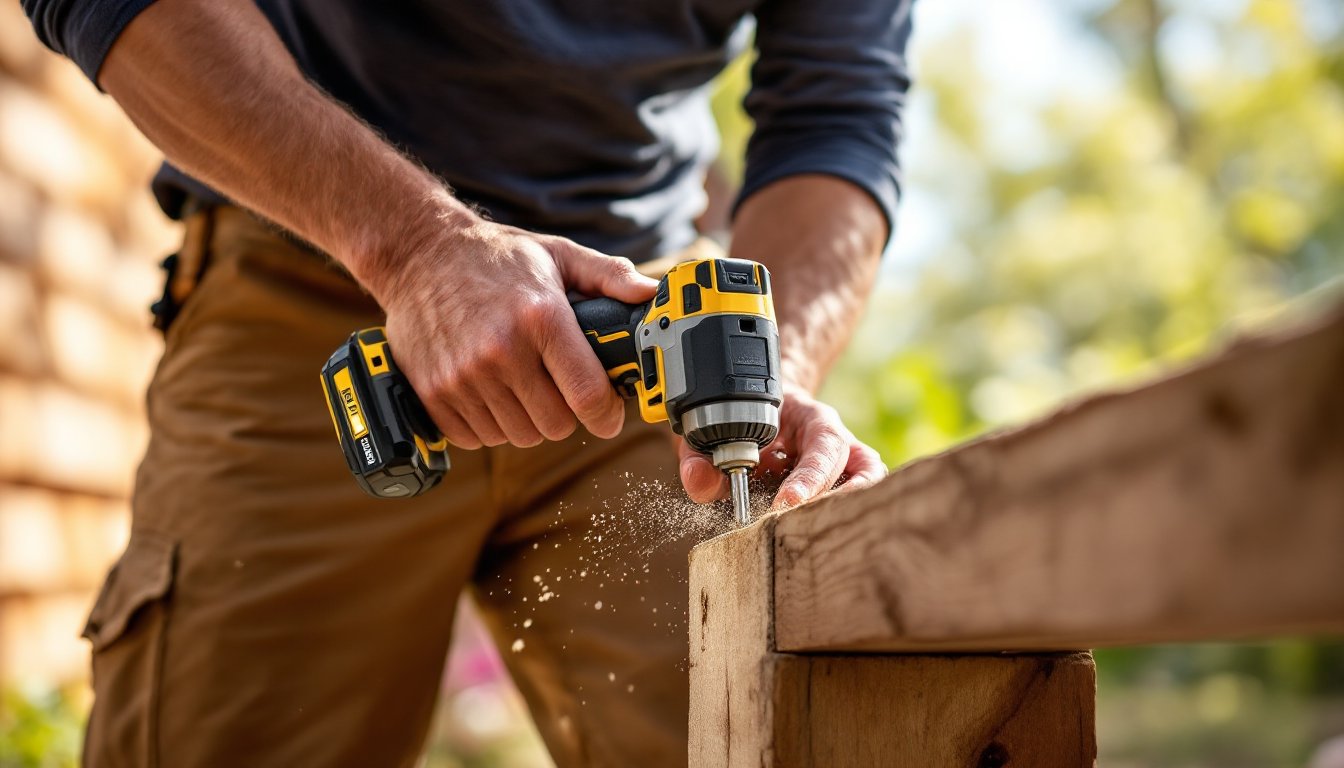
If you’ve ever struggled to drive a fastener or spend half your project time swapping between drill bits and sockets, a Milwaukee 3/8 impact driver might be the game-changer you’ve been missing. Unlike bulky full-size models, a compact 3/8 impact driver delivers focused power exactly where you need it, tight spaces, overhead work, and precise applications where a standard drill feels clumsy. Whether you’re assembling furniture, hanging cabinetry, or tackling automotive maintenance, this tool fills a critical gap in any serious DIYer’s arsenal. Here’s what makes Milwaukee’s offering stand out and how to decide if it’s right for your workshop.
Table of Contents
ToggleKey Takeaways
- A Milwaukee 3/8 impact driver delivers 400–600 lb-ft of torque in a compact, lightweight design, making it ideal for tight spaces, overhead work, and projects where standard drills feel clumsy.
- The impact mechanism eliminates hand fatigue and prevents fastener slipping by delivering thousands of rapid torque bursts per minute, perfect for cabinet installation, furniture assembly, and automotive maintenance.
- Milwaukee’s REDLITHIUM batteries hold voltage longer than standard lithium-ion, ensuring consistent performance throughout extended projects without the torque fade competitors experience.
- A Milwaukee 3/8 impact driver is most valuable for cabinet hanging, deck fastening, and confined automotive work where maneuverability and one-handed operation matter more than maximum power.
- Entry-level models start at $80–120 barefoot, with mid-range options at $150–250—an investment that pays for itself within 2–3 major projects compared to renting or hand-driving fasteners.
- Choose a 5.0 Ah battery for major project weekends, a brushless motor model for efficiency, and invest in at least one extra battery to maintain workflow while one charges.
What Is a 3/8 Impact Driver and Why You Need One
A 3/8 impact driver is a compact power tool designed to drive fasteners and tighten bolts using rotational impacts, essentially thousands of rapid hammer blows per minute that multiply your torque without requiring you to muscle the tool. The 3/8-inch chuck refers to the socket adapter size, making it narrower and lighter than half-inch models, perfect for confined areas like inside cabinet frames or engine bays.
Unlike a standard drill-driver, an impact driver doesn’t rely on your grip strength or steady hand to overcome resistance. As you apply pressure, the tool’s internal mechanism engages, delivering concentrated bursts of torque that “pop” stubborn screws loose or drive them home cleanly. This becomes invaluable when you’re dealing with stripped fasteners, rusted bolts, or working overhead where hand fatigue becomes a real factor.
The Milwaukee 3/8 impact driver shines in three scenarios: tight spaces where a full-size tool won’t fit, precision fastening where you need control without over-torqueing, and extended work sessions where weight matters. A homeowner assembling IKEA cabinetry, a handyman hanging shelves, or someone working on automotive projects will all appreciate having a lighter, more maneuverable option within arm’s reach. It’s not a replacement for a full-size impact wrench, but it’s the tool you’ll actually reach for first when speed, precision, and access matter more than maximum power.
Key Features of Milwaukee’s 3/8 Impact Driver
Milwaukee’s 3/8 impact driver lineup combines Milwaukee’s reputation for durability with practical features DIYers genuinely use. These aren’t overloaded with marketing gimmicks: they’re engineered for consistent performance on real projects.
Power and Torque Performance
Milwaukee’s compact models typically deliver 400–600 lb-ft of fastening torque, depending on the specific model and battery. That’s more than enough to drive 3/16-inch fasteners through most materials without straining, and it’ll break loose frozen bolts that would make a manual socket wrench a chore. The impact mechanism engages smoothly without jolting your wrist, and variable speed triggers let you creep fasteners home at 0–3,000 RPM rather than torching them at full bore.
Battery chemistry matters here. Milwaukee’s REDLITHIUM batteries hold their voltage longer than standard lithium-ion, meaning consistent performance from the first fastener to the last on a full charge. You won’t experience the slow torque fade midway through a large project that cheaper competitors suffer.
Design and Ergonomics
The compact footprint is the real win. At roughly 4 inches shorter and 2–3 pounds lighter than standard impact drivers, you’ll feel the difference during overhead cabinet hanging or reaching into tight spaces. The rubber overmold grip doesn’t slip when your hands are dusty or slightly damp, critical when you’re balancing a scrap of lumber in one hand and driving fasteners with the other.
Milwaukee’s recent models include a side-mounted work light that actually illuminates the fastener, not just the surrounding wall. Seems small, but when you’re installing hardware in a basement corner or inside an outlet box, that light eliminates squinting and mis-driven fasteners. The belt clip positions the tool naturally for quick access, and the chuck is tight enough that sockets won’t rattle loose mid-project without being stubborn to change.
Best Use Cases for Your Home Projects
A Milwaukee 3/8 impact driver earns its place in your toolkit during specific situations where full-size tools feel like overkill.
Cabinet Installation: Hanging wall cabinetry, especially upper kitchen cabinets, demands one-handed operation and repeated fastening in tight spaces. The compact driver lets you hold the cabinet flush with one hand while driving four corner fasteners with the other. Its light weight reduces fatigue during the 30–45 minutes a typical kitchen cabinet job takes.
Furniture Assembly: Whether you’re assembling bookshelves, workbenches, or sectional sofas, a 3/8 driver zips through cross-dowels, bolts, and cam locks without stripping wood or rounding screw heads. The variable speed control prevents plunging the bit too deep into softwood joints.
Deck and Fence Fastening: Composite decking screws and galvanized bolts for fence rails benefit from the consistent torque an impact driver provides. Hand-driving 200 fasteners across a weekend project invites hand cramps and inconsistent depth: the Milwaukee handles them all at uniform pressure.
Automotive Work: Removing lug nuts, installing underbody panels, or tightening suspension bolts, many homeowners tackle basic car maintenance in their garage. The 3/8 chuck accepts most automotive sockets, and the compact size beats struggling with a pneumatic impact gun in a home workshop.
According to tool testing from This Old House, compact impact drivers consistently outperform standard drills in fastening consistency and speed when working in confined spaces. If your projects routinely involve reaching into cabinets, working overhead, or dealing with tight fastener access, this tool pays for itself within the first few uses.
How to Choose the Right Milwaukee Model for Your Needs
Milwaukee offers several 3/8 variants, and picking the right one depends on your actual workflow, not just specs on a box.
Battery and Runtime: Compact 2.0 Ah batteries weigh less and charge faster: they’ll handle occasional projects around the house but might fall short during extended work sessions like a full deck installation. 5.0 Ah batteries cost more upfront but run nearly three times longer and hold voltage better under load. If you’re planning a major project weekend, the larger battery is worth the investment, or grab a second smaller battery to rotate while one charges.
Brushless vs. Brushed Motors: All current Milwaukee 3/8 drivers use brushless motors, which run cooler, last longer, and deliver better battery efficiency. This isn’t a compromise, it’s standard across the brand now.
One-Handed or Two-Handed? Some models include a side handle for two-handed operation during heavy work: others stay trigger-grip only for maximum maneuverability. If your projects lean toward cabinets and furniture, one-handed is fine. If you’re breaking loose frozen bolts regularly, the extra leverage of a side handle prevents fatigue.
Barefoot or Combo Kit? Milwaukee sells the driver alone or paired with batteries, charger, and carrying case. Barefoot (tool only) makes sense if you already own Milwaukee batteries and charger: a kit costs more but bundles everything a new user needs. According to homeowner guides at Today’s Homeowner, most DIYers benefit from having two batteries on hand, one charging while you work with the other.
Budget Reality: Entry-level Milwaukee 3/8 drivers run $80–120 barefoot: mid-range models with better batteries cost $150–250. That’s a real investment, but comparing it to hand-driving fasteners for hours or renting a tool when you need it, ownership pays off within 2–3 major projects. Don’t cheap out on the battery, a lower-amp aftermarket battery won’t keep pace with Milwaukee’s engineering and may damage the motor over time.
Conclusion
A Milwaukee 3/8 impact driver fills a genuine gap between a basic drill and a full-size impact wrench. It’s the tool that makes tedious fastening jobs faster, more consistent, and less physically demanding, whether you’re a homeowner tackling seasonal projects or a weekend warrior assembling major structures. Pick a model matched to your battery ecosystem and typical project scope, invest in at least one extra battery, and you’ve got a partner that’ll stay in your toolkit for years. The compact Milwaukee driver isn’t a must-have luxury: it’s a practical upgrade that changes how you approach tool selection.