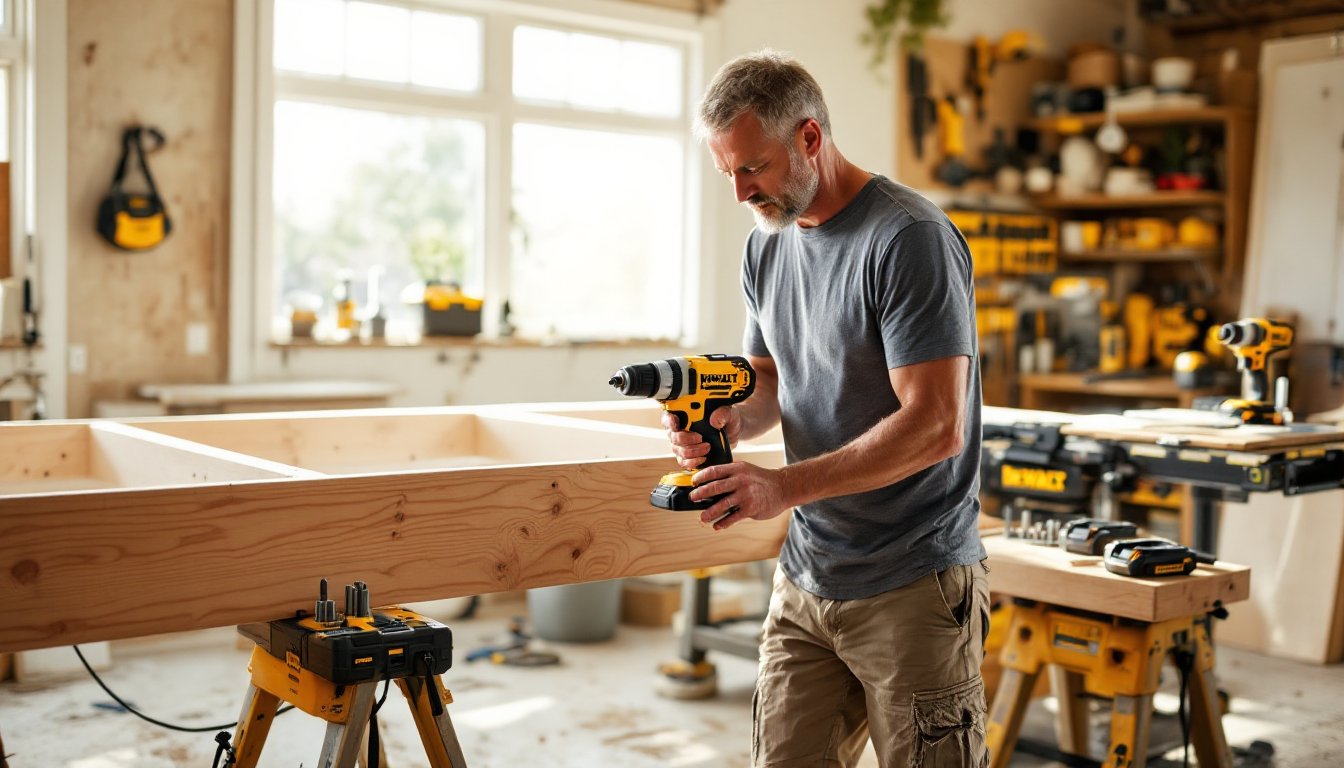
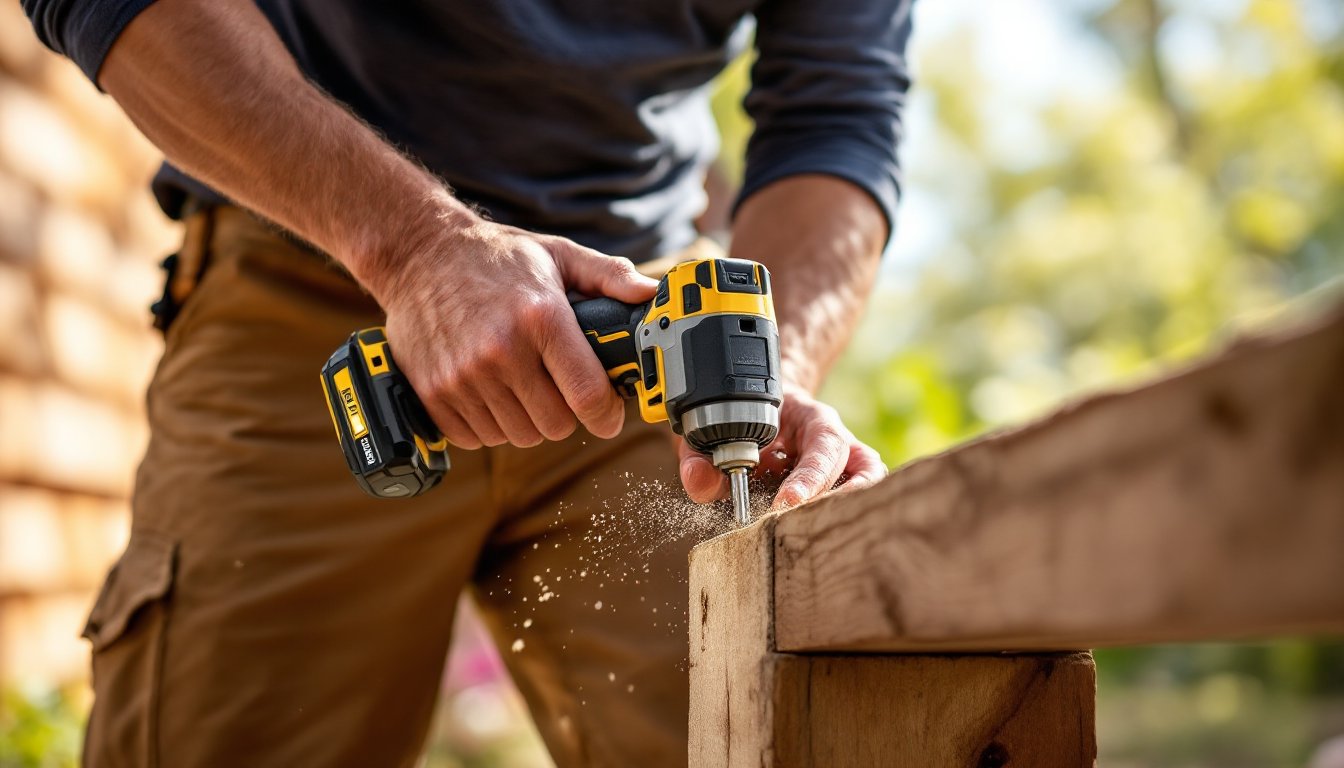
An impact driver is one of those tools that transforms a frustrating afternoon into a productive morning. If you’re tired of your cordless drill struggling with stubborn fasteners or taking twice as long to drive deck screws, a Bosch impact driver deserves a spot in your toolbox. These compact powerhouses deliver rotational force with rapid hammer-like impulses, making them far more efficient than traditional drills for driving and fastening work. Whether you’re building a deck, assembling furniture, or tackling bathroom renovations, understanding what makes Bosch impact drivers tick, and which model fits your needs, can save you time, effort, and frustration on every project.
Table of Contents
ToggleKey Takeaways
- A Bosch impact driver uses a spring-loaded hammer mechanism that fires hundreds of times per minute, delivering faster fastening and less wrist strain compared to traditional cordless drills.
- Choose an 18V compact Bosch impact driver for most homeowner projects under 4 pounds, or step up to a 20V model for larger fasteners and heavier structural work like deck building.
- Battery capacity matters: invest in at least a 2.0Ah battery for light tasks, or a 4.0Ah battery plus a second backup for weekend projects lasting 4+ hours.
- Always use pilot holes for fasteners larger than ¼ inch in hardwood, wear impact-rated safety goggles, and match the bit type to your fastener to prevent slipping and damage.
- Bosch impact drivers deliver 150–180 ft-lbs of torque, sufficient for driving deck screws, lag bolts, and ⅜-inch fasteners without hesitation, with brushless motors that run cooler and last longer than older designs.
- Buy a combo kit with two batteries and a charger rather than a bare tool—it costs only slightly more and keeps you working continuously without extended wait times.
What Makes Bosch Impact Drivers Stand Out
Bosch has earned its reputation in power tools through decades of engineering and real-world testing. Their impact drivers combine German precision manufacturing with practical design choices that homeowners actually appreciate.
The key difference between an impact driver and a regular drill lies in the mechanism. While a standard drill applies steady rotational force, an impact driver uses a spring-loaded hammer mechanism inside the chuck that fires hundreds of times per minute. This means less strain on your wrist, faster fastening, and less likelihood of the bit slipping or stripping screws. Bosch models integrate this technology with ergonomic grips, balanced weight distribution, and intuitive controls that feel natural even after an hour of continuous use.
Another reason professionals and serious DIYers reach for Bosch is durability. The brand highlights Bosch as the best power tool brand, specifically praising their ultra-durable impact drivers that hold up through years of weekend projects and occasional professional use. Their brushless motors run cooler and last longer than older brushed designs, and their battery systems are engineered to maintain consistent power delivery even as the battery ages.
Key Features to Understand Before Buying
Power and Speed Ratings
When shopping for a Bosch impact driver, you’ll see specifications like 18V or 20V (these refer to the nominal battery voltage) and rpm or impact rate (measured in impacts per minute, often 2,400–3,200 ipm). Higher voltage doesn’t always mean better for homeowners, an 18V Bosch compact model handles most fastening tasks with less weight and fatigue than a heavier 20V unit.
Torque matters more than raw speed for most projects. Bosch impact drivers typically deliver 150–180 ft-lbs of torque, which is plenty for driving ¼-inch lag bolts, 3-inch deck screws, or ⅜-inch fasteners into hardwood without hesitation. If you’re mostly fastening drywall anchors or assembling furniture, you don’t need the top-tier model.
Also check the chuck type. A ¼-inch hex chuck is standard and works with any hex-shank bit or socket, making this tool incredibly versatile. Some models offer a keyless chuck option, which is convenient but less common on Bosch’s mid-range offerings.
Ergonomics and Battery Life
Weight and balance matter more than specs when you’re holding the tool overhead or working in tight spaces. A lighter 18V Bosch compact (under 4 pounds) reduces shoulder fatigue compared to a 5-pound 20V model, even if the heavier one has more torque in reserve.
Battery life depends on capacity (measured in amp-hours, or Ah, typically 1.3Ah to 4.0Ah on Bosch consumer models) and the task. A 2.0Ah battery handles a few hours of light fastening before needing a charge. For weekend projects lasting 4+ hours, invest in at least a 4.0Ah battery or grab a second battery so one charges while you work. Bosch’s Coolpack technology reduces charging time and extends battery lifespan, a real advantage if you’re not the type to wait around. Popular Mechanics reviews regularly test cordless tool batteries and consistently note Bosch’s strong performance in real-world conditions.
Best Bosch Impact Driver Models for Home Projects
The Bosch 18V Compact Impact Driver (IDS181) or its newer equivalent is an excellent entry point for most homeowners. It’s light, affordable, and handles 90% of fastening tasks, driving deck screws, installing cabinet hardware, assembling shelving, and framing light projects. The compact size means it fits into tight corners and overhead cabinets where a larger drill would be awkward.
If you frequently work with larger fasteners, hardwoods, or plan to use the driver for occasional small demolition work (like prying or grinding with hex-shank attachments), step up to the Bosch 20V system. These models deliver noticeably more impact force and handle tough jobs like driving ½-inch bolts into treated lumber without hesitation. The extra power comes with added weight and bulk, so only go this route if your projects justify it.
For users building decks, framing additions, or doing heavy-duty structural fastening, Bosch’s professional-grade impact drivers (sometimes badged under their industrial line) offer brushless motors, higher torque ratings, and more robust construction. But, these cost 50% more and are overkill for typical home renovation work.
Budget matters, but avoid the temptation to buy a bare tool without batteries or chargers. A Bosch combo kit with two batteries and a charger costs only slightly more than a bare tool and ensures you can keep working. Look for 2.0Ah or larger batteries and a standard 30-minute charger rather than the ultra-fast (but pricier) models unless you’re running a professional operation.
Practical Tips for Using Your Impact Driver Safely and Effectively
Safety first: Always wear impact-rated safety goggles when operating an impact driver, flying bits, fastener shards, or debris can cause serious eye injury. Add work gloves if handling rough material or metal fasteners. Loose sleeves or long hair near rotating bits are a hazard, so dress accordingly.
Start with a pilot hole for fasteners larger than ¼ inch or when driving into hardwood. This prevents bit breakage and reduces the risk of stripping the fastener head. Use the appropriate bit type, Phillips head bits for Phillips screws, square-drive (Robertson) bits for quality wood screws, and hex-shank bits for specialized fasteners. Mismatched bits slip and damage screws, wasting time and material.
Don’t over-tighten fasteners. The impact driver’s speed and power make it easy to strip screw heads or overdrive fasteners into soft wood, pulling the wood fibers and weakening the connection. Back off pressure once the fastener seats, you’ll develop feel for this after a few projects.
For vertical or overhead work, brace yourself against a wall or workbench to manage the tool’s reaction force. Even though impact drivers have minimal recoil compared to drills, a sudden bind can wrench your wrist if you’re not steady. Fine Homebuilding provides advanced framing techniques that complement power tool use, including best practices for fastener placement and spacing.
Maintain your tool by keeping the chuck clean and dry, checking battery contacts for corrosion monthly, and storing it in a climate-controlled space. Impact drivers are tough, but moisture and dust degrade batteries and electronics over time.
Conclusion
A Bosch impact driver transforms fastening work from a chore into a genuine pleasure. Whether you choose a compact 18V model for light duty or invest in a 20V system for heavier projects, you’re getting a tool engineered for reliability and real-world performance. Start with a mid-range kit that includes batteries and a charger, prioritize safety gear, and don’t skip pilot holes on tough fasteners. Your next project will go faster, and your wrist will thank you.