Walk into any tool aisle and you’ll see both hammer drills and impact drivers sitting side by side, and it’s easy to assume they’re interchangeable. They’re not. While both pack serious power, they’re engineered for different jobs, and picking the wrong one wastes money and time. A hammer drill excels at busting through concrete and masonry, while an impact driver dominates fastening work and driving long screws. Understanding how each one works and what they’re built to handle means you’ll grab the right tool the first time and actually finish your project without frustration.
Table of Contents
ToggleKey Takeaways
- A hammer drill uses continuous rotation combined with rapid axial pounding to penetrate concrete and masonry, while an impact driver delivers rotational pulses for driving fasteners efficiently.
- Hammer drills excel at breaking through concrete, brick, and stone with pounding force (0–4,000 BPM), whereas impact drivers dominate fastening work with rotational torque (1,500–3,000 ft-lbs).
- Impact drivers are quieter, lighter, and more ergonomic for prolonged fastening tasks, while hammer drills are louder and produce more vibration due to their jackhammer-like action.
- Choose a hammer drill for masonry projects like anchoring posts or drilling into concrete walls; select an impact driver for framing, deck assembly, and screw-driving tasks.
- Many experienced DIYers own both tools since a hammer drill vs impact driver comparison reveals they solve different problems—invest in whichever matches your primary project type.
- Cordless impact drivers (18V–20V) are ideal for most residential fastening and pair well with 2–3 Ah batteries, while cordless hammer drills benefit from larger 4–5 Ah batteries due to higher power demands.
What Is A Hammer Drill And How Does It Work?
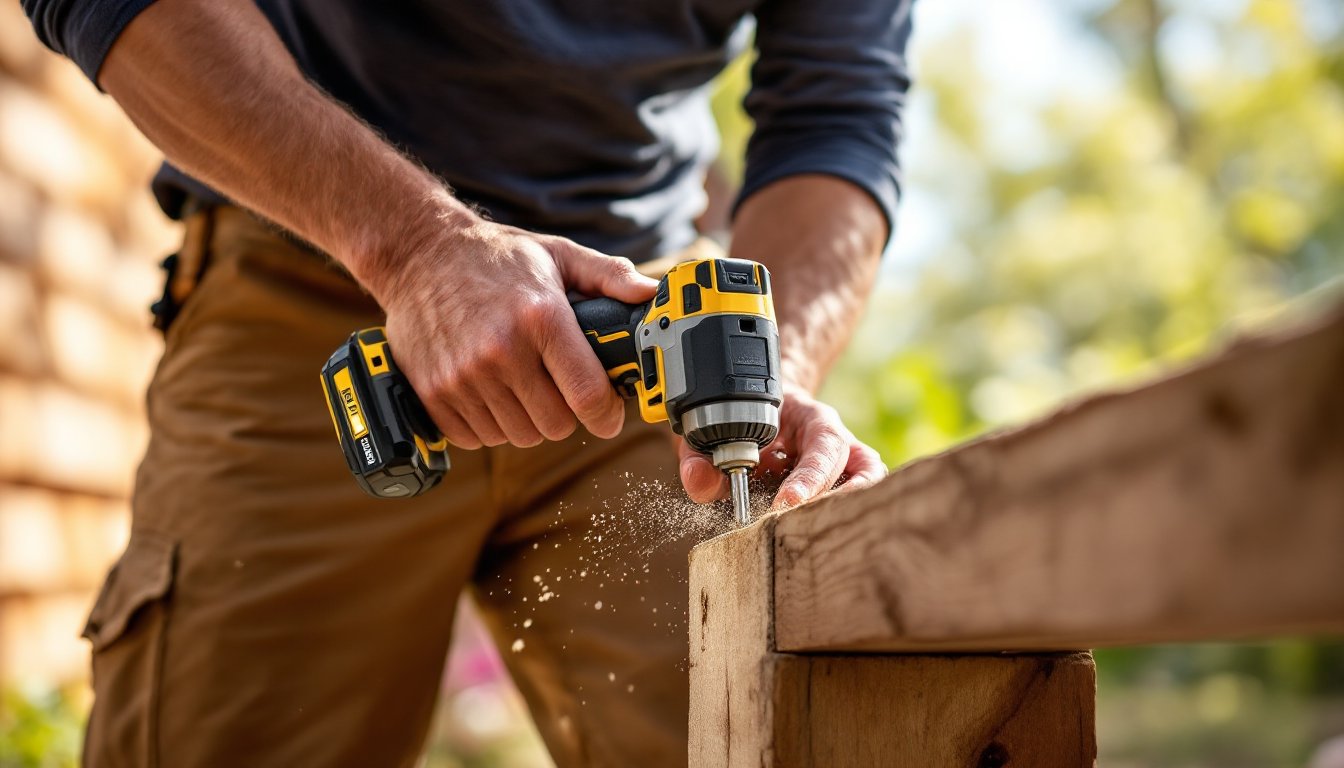
A hammer drill combines rotational force with rapid, short bursts of axial pressure, basically a pounding motion, to break through hard materials. Inside the chuck, a mechanism rapidly drives the bit forward and backward (thousands of times per minute) while the drill bit simultaneously rotates. Think of it like a jackhammer in miniature.
This dual action makes hammer drills phenomenal for drilling into concrete, brick, stone, and other masonry. The pounding loosens the material around the bit, allowing the rotation to pull debris out and advance deeper. Most hammer drills operate in two modes: a standard drill mode (rotation only) and a hammer mode (rotation plus pounding). This versatility means you can switch to non-hammer mode when you need to drill into wood or metal without the extra impact.
Power ratings typically range from 500 to 1,200 watts for corded models, and 18V to 20V for cordless versions. Larger, heavier-duty models can weigh 5–7 pounds, which matters when you’re drilling overhead into ceiling joists or high wall sections.
What Is An Impact Driver And How Does It Work?
An impact driver works on a completely different principle. Instead of continuous rotation, an impact driver delivers bursts of rotational force, quick, intense twisting pulses, combined with minimal axial pressure. Picture a rotary hammer striking the back of the drive bit thousands of times per second, spinning it in short increments rather than continuously rotating.
This mechanism makes impact drivers exceptionally efficient at driving screws and fasteners. The rotational pulses reduce the effort needed to push against wood or steel, letting the tool sink a screw with less user strain and less likelihood of stripping it out. You’ll often hear them called “impact drivers” or “impact wrenches” (the latter typically larger and designed for lug nuts or construction bolts).
Cordless impact drivers are nearly universal in modern DIY shops, ranging from 18V to 20V with batteries that offer 1.5–5 amp-hours. Corded versions exist but are less common for homeowners. Because impact drivers use a hammering rotation rather than continuous torque, they’re gentler on batteries and generate less rotational heat, meaning longer runtimes and less strain on your shoulders during extended work.
Key Differences Between Hammer Drills And Impact Drivers
The core difference lies in how each tool applies force. Hammer drills pound axially (pushing straight in) while rotating continuously. Impact drivers pulse rotationally (twisting in bursts) with minimal push. This fundamental distinction cascades into different use cases, ergonomics, and limitations.
Hammer drills excel at breaking into hard, brittle materials where you need penetration. Impact drivers excel at driving fasteners into resistant materials where rotational force matters more than axial push. Mixing them up, say, using an impact driver on a concrete anchor hole, means slow progress and potential bit breakage. Using a hammer drill to drive 3-inch deck screws works, but the tool fights you: an impact driver does it smoothly.
Another practical difference: noise and vibration. Hammer drills are louder and produce noticeable vibration due to the jackhammer action. Impact drivers are quieter and vibrate less, making them more comfortable for prolonged use. If you’re fastening framing or cabinetry in a shared space or late evening, an impact driver is the better neighbor.
Power And Speed Capabilities
Hammer drill speed typically ranges from 0 to 1,200 RPM (rotations per minute) with 0–4,000 beats per minute (BPM) in hammer mode. The pounding action is the star: RPM is secondary. Impact drivers, by contrast, generate 0 to 3,000 RPM with 2,000–3,500 impacts per minute. Their peak output is rotational force measured in foot-pounds of torque (often 1,500 to 3,000 ft-lbs), not pounding force.
For concrete and masonry, the hammer drill’s BPM rating matters most. For fastening, the impact driver’s torque rating is your key metric. A 20V cordless impact driver with 2,000 ft-lbs of torque will drive a 3/8-inch lag bolt into pressure-treated lumber far more effectively than a hammer drill of equivalent voltage.
Hammer Drill Vs Impact Driver: Which Is Best For Your Projects?
Choosing between them comes down to what you actually build and repair. Before buying, honestly assess what you’ll tackle in the next 2–3 years. Many experienced DIYers own both because they truly fill different niches.
Masonry And Concrete Work
If your project involves drilling into concrete footings, cinder-block walls, brick chimneys, or concrete slabs, you need a hammer drill, full stop. An impact driver simply won’t penetrate. You can drill small pilot holes slowly with a regular drill-driver in soft concrete, but anything thicker than a few inches becomes brutally slow without pounding.
Common scenarios: anchoring posts to a concrete floor, installing electrical outlets in a concrete basement wall, or drilling holes for masonry anchors to hang cabinets. A corded 3/4-inch SDS-Plus hammer drill (about $120–$250) is the budget-friendly choice for occasional homeowner masonry work. Cordless SDS-Plus models run $300–$600 but offer convenience and usually weigh less. Always use concrete bits rated for SDS (rotary) or SDS-Plus (quick-change) chucks, regular twist bits bind and snap in concrete.
Safety note: Wear ANSI-rated impact goggles to protect against concrete dust and bit fragments. A dust mask or respirator is essential when drilling concrete indoors: concrete dust contains silica, which damages lungs with prolonged exposure. If you’re drilling more than a few holes, consider a dust extraction attachment or corded model with built-in dust collection.
Fastening And Driving Screws
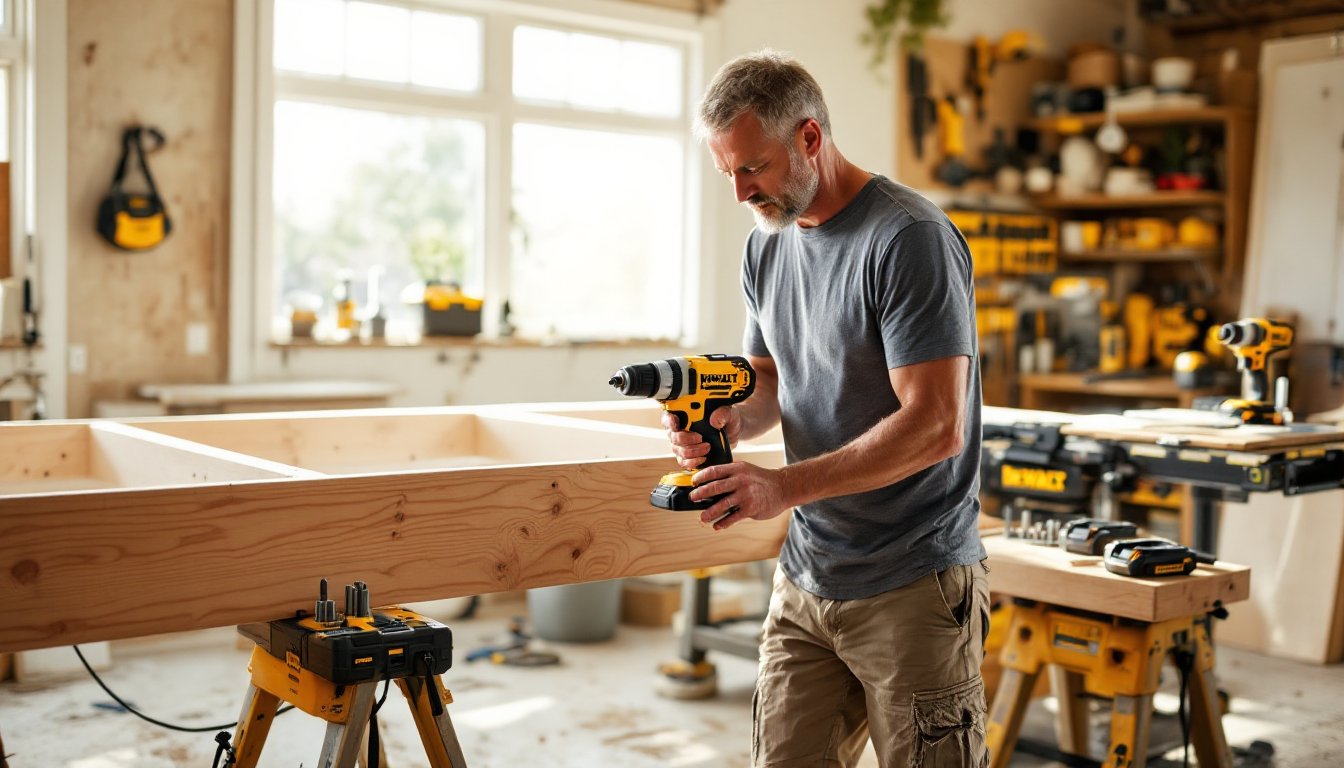
When your project is about sinking fasteners, deck screws, structural screws, bolts, lug nuts, an impact driver is your workhorse. It’s faster, smoother, and more precise than a hammer drill for this job. The rotational pulses let you feel when a screw is fully seated without over-driving it (which splits wood or strips the head).
Typical scenarios: framing a shed, installing deck boards, assembling furniture, or fastening metal brackets. A cordless 20V impact driver with a 1/4-inch hex chuck ($80–$150) handles 95% of residential fastening. For tougher jobs (lag bolts, structural screws in engineered lumber), step up to a high-torque model with 2,000+ ft-lbs of output.
Where a hammer drill fumbles: it’s awkward to control when you’re driving long fasteners because its weight and the pounding action make it want to wander. An impact driver’s compact form factor and twisting pulses keep the bit locked into the screw head. You’ll finish faster and with fewer stripped or bent screws.
A practical hybrid approach: many DIYers use an impact driver 90% of the time and rent or borrow a hammer drill for the occasional concrete job. Studies on tool usage patterns show that impact drivers see far more frequent use in residential projects. If you’re space- or budget-constrained, start with an impact driver and add a hammer drill later if masonry work crops up. Conversely, if you’re renovating a 1970s basement with poured-concrete walls or building a stone fence, a hammer drill pays for itself immediately.
One more real-world tip: cordless impact drivers pair well with a 2–3 Ah battery: cordless hammer drills benefit from larger batteries (4–5 Ah or higher) because the pounding action draws more power, especially when drilling thick concrete. If you already own one battery platform, factor in whether you’ll share batteries between tools.
<h2 id="” data-id=””>Making Your Final Call
A hammer drill breaks through masonry and concrete with relentless pounding. An impact driver drives fasteners with precise rotational force. They’re not interchangeable, but they’re also not both mandatory for every homeowner. Assess your upcoming projects honestly: if concrete or brick drilling features prominently, invest in a hammer drill. If you’re mainly fastening and assembling, an impact driver is your priority. The real shortcut to success is picking the right tool for the job, it saves time, frustration, and your wrists.