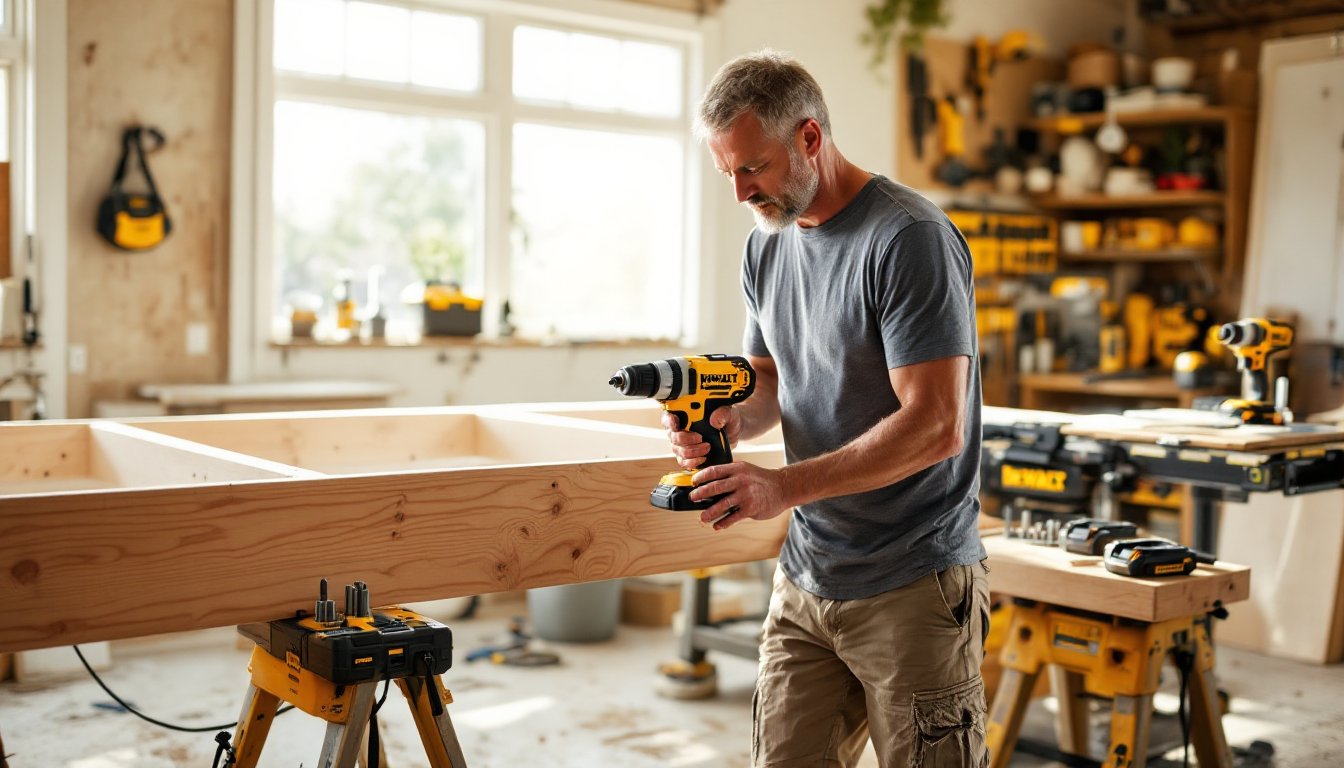
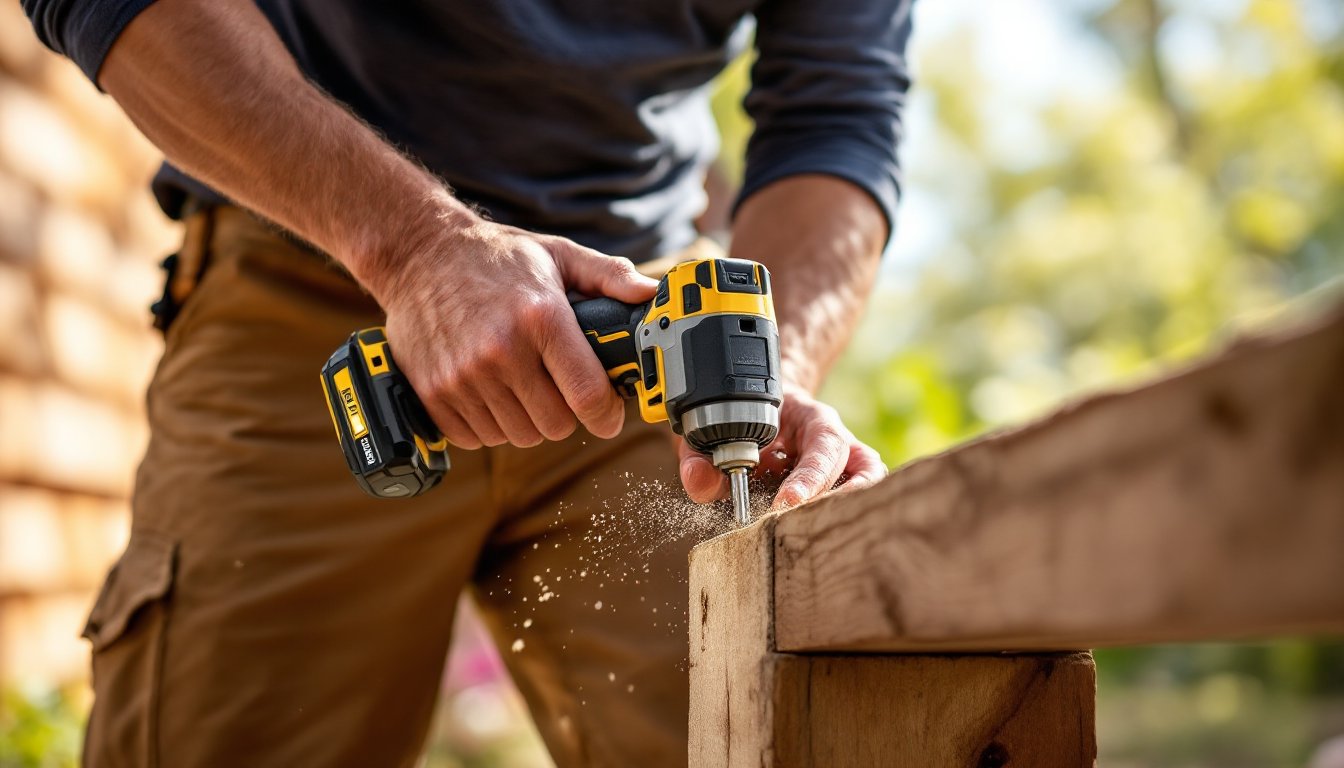
An impact driver sits on the workbench beside your cordless drill, and you might wonder: do I really need both? The answer depends on the work you’re tackling. A Hercules impact driver delivers rotational force with sudden bursts of torque, exactly what you need when driving deck screws into pressure-treated lumber, installing cabinet hardware, or fastening metal-to-metal connections without cam-out or stripped fasteners. Unlike a regular drill that applies constant pressure, an impact driver pulses and drives with precision, making it a genuine must-have for serious DIYers. Whether you’re building a fence, assembling furniture, or upgrading your kitchen, understanding what a Hercules impact driver brings to your toolbox helps you work smarter, faster, and with fewer broken bits and bruised knuckles.
Table of Contents
ToggleKey Takeaways
- A Hercules impact driver delivers 1,500 to 3,000 inch-pounds of torque—significantly more than standard drills—making it ideal for driving structural fasteners, deck screws, and lag bolts without cam-out or stripping.
- Hercules impact drivers combine rotational force with rapid hammer blows to reduce hand strain, wrist fatigue, and fastener failure, completing projects like deck building and cabinet assembly faster and more precisely.
- Most Hercules models feature dual-speed settings (1,500-3,000 RPM), lithium-ion batteries (1.5-3.0 Ah), and 30-45 minutes of runtime, with bundle options that include batteries and chargers for better value.
- Essential applications include pressure-treated deck construction, cabinet and shelf installation, fence building, automotive fastener removal, and mounting heavy fixtures where traditional drills struggle or require excessive effort.
- Always use impact-rated ¼-inch hex bits, start fasteners at low speed to avoid cross-threading, wear safety glasses and work gloves, and maintain the tool by wiping it clean and storing batteries indoors at room temperature.
- Choose between 18V compact models for occasional projects or 20V high-capacity models for serious DIYers tackling ongoing construction—entry-level bundles suit beginners while professional bundles suit frequent users.
What Is a Hercules Impact Driver and Why It Matters for DIYers
An impact driver is a compact, high-torque tool that combines rotation with rapid, downward hammer blows to drive fasteners. Unlike a drill that relies on smooth spinning pressure, an impact driver’s internal mechanism creates quick impulses that multiply force at the point of contact. This means less effort on your part and far fewer instances of fasteners slipping or stripping out.
Hercules impact drivers, part of the Home Depot-exclusive line, are engineered for residential and light commercial use. They’re built to handle the kinds of jobs homeowners tackle: lag bolts into studs, drywall anchors, cabinet assembly, deck building, and automotive fastener work. The tool excels because it prevents the hand-twisting and wrist strain that come from forcing a standard drill through hardwood or driving long fasteners at odd angles.
Why does this matter? Time and precision. A deck project that might leave your hand sore after hours of drilling with a regular drill becomes manageable with an impact driver. The tool also reduces fastener failure, the screw goes in straight and secure, not stripped or cross-threaded. For homeowners looking to expand their toolkit, a Hercules impact driver fills a genuine gap between entry-level cordless drills and professional-grade equipment.
Key Features That Set Hercules Impact Drivers Apart
Power and Speed Performance
Hercules impact drivers typically deliver 1,500 to 3,000 inch-pounds of torque, depending on the model, significantly more than a standard drill’s 300-500 range. This metric matters because it tells you how much rotational force the tool generates. Higher torque makes quick work of lag screws, structural fasteners, and dense hardwoods without bogging down or requiring you to lean hard on the trigger.
Speed also varies by model. Most Hercules drivers offer two speed settings: a lower setting (around 1,500 RPM) for control and heavier fasteners, and a higher setting (up to 3,000 RPM) for rapid-fire work like assembling cabinets or installing hundreds of trim screws. The ability to toggle between speeds keeps you from burning through batteries on light jobs or struggling when driving into tough material.
Weight and balance count. A good impact driver feels balanced in your hand so you can work overhead or in tight spaces without exhaustion. Hercules units are designed with that in mind, they’re compact enough for one-handed operation in corners, yet sturdy enough for sustained use.
Battery Technology and Runtime
Most Hercules impact drivers ship with lithium-ion batteries, usually in the 1.5 to 3.0 amp-hour range. A 1.5 Ah battery handles lighter tasks and recharges quickly: a 3.0 Ah battery lasts longer on bigger projects but weighs slightly more. Runtime depends on the battery capacity and what you’re driving: expect 30 to 45 minutes of active fastening on a fully charged 2.0 Ah battery for typical cabinet work or deck assembly.
Charger quality affects your workflow. Hercules chargers typically support multiple battery voltages and feature charge indicators, so you know when batteries are ready. Some models use 18V or 20V platforms, meaning you can swap batteries between compatible tools in the Hercules lineup, reducing the number of chargers cluttering your garage.
Battery care extends life. Store batteries indoors, avoid deep discharges in cold weather, and rotate them during long projects so one isn’t overworked. A second battery pair ensures you always have a charged backup while the first pair recharges.
Choosing the Right Hercules Model for Your Home Projects
Hercules offers several impact driver configurations, so picking the right one depends on project scope and budget. Entry-level models deliver solid torque and runtime for occasional homeowners tackling assembly, basic fastening, and light construction. Mid-range options add power and battery capacity for serious DIYers building decks, fences, or handling automotive fastener removal.
Consider your primary use. Hanging exterior signage, framing a small shed, or assembling heavy furniture? A compact 18V model offers portability and sufficient power. Planning a full deck rebuild or doing ongoing construction projects? A 20V model with higher amp-hour batteries justifies the upfront cost through longer runtime and reserve power. Reviews from This Old House and Bob Vila compare current models side-by-side, helping you match power to actual job scope.
Bundle options often include two batteries and a charger, which beats buying components separately and ensures you’re never stranded. Evaluate what’s included versus buying the tool alone. Starter bundles target entry-level buyers: professional bundles pack extra batteries and rugged carrying cases. Your usage frequency and storage space shape which makes sense.
Common DIY Applications and Project Ideas
Impact drivers excel at fastening tasks where traditional drills struggle. Building a pressure-treated deck is the classic use case, driving 3-inch structural screws into 2×10 joists requires torque that leaves regular drills whining. An impact driver drives each screw in 3-5 seconds flat and keeps your wrist from twisting.
Cabinet assembly and hanging is another bread-and-butter application. Whether you’re installing IKEA units, kitchen cabinetry, or floating shelves, driving pocket screws and lag bolts into studs becomes effortless. The tool prevents the cam-out (bit slipping in the screw head) that ruins heads and frustrates installers.
Fence and pergola building rely on impact drivers for speed and reliability. Driving fasteners through metal brackets into wood posts, securing rails, and fastening cross-members, the repetitive nature of these jobs suits the tool’s design. A 2-speed impact driver lets you use the lower speed for thick material and the higher speed for rapid cabinet screws.
Automotive work, from removing rusted fasteners to installing undercarriage panels, benefits from the tool’s power. Even minor tasks like replacing water pump pulleys become manageable. Interior jobs include installing door hardware, TV mounts, and shelving anchors into drywall. Good Housekeeping frequently recommends cordless impact drivers for homeowners tackling routine maintenance and assembly tasks, emphasizing their role in building home resilience through DIY upkeep.
Essential Tips for Getting the Most Out of Your Impact Driver
Prep and bit selection matter enormously. Use a ¼-inch hex impact-rated bit, standard drill bits are brittle and shatter under impact stress. Keep bits in good condition: dull or chipped bits slip and cam out, defeating the tool’s purpose. For screws, match the bit to the fastener (square-drive, Phillips, Torx, etc.) and ensure a snug fit so the bit doesn’t slip under load.
Start fasteners slowly. Use the lower speed setting to begin a screw, then shift to high speed once it’s engaged. This prevents cross-threading and gives you control, especially in hardwoods or at angles. Never force a stuck fastener, if the bit starts spinning in the screw head, stop immediately and switch to a slightly larger bit or a different drive style.
Safety first. Wear impact-rated safety glasses (polycarbonate or better): bits and fastener fragments can fly. Work gloves prevent finger pinching if the tool binds, and hearing protection matters during extended use. Never wear loose clothing or jewelry that could catch. Keep the trigger hand relaxed and the tool balanced so you’re not straining your wrist.
Maintenance is minimal but important. After wet or dusty work, wipe down the chuck and housing with a dry cloth. Store the tool and batteries indoors: extreme cold reduces battery efficiency and power. Charge batteries in a ventilated space at room temperature for best longevity. If the bit chuck becomes loose, tighten it with the provided wrench, a sloppy chuck wastes torque and increases slip risk.
Know when to use a drill instead. For driving small fasteners, drilling holes, or mixing paint, a standard cordless drill is quieter, lighter, and fine for the task. Impact drivers are power tools optimized for specific jobs, not general-purpose solutions.