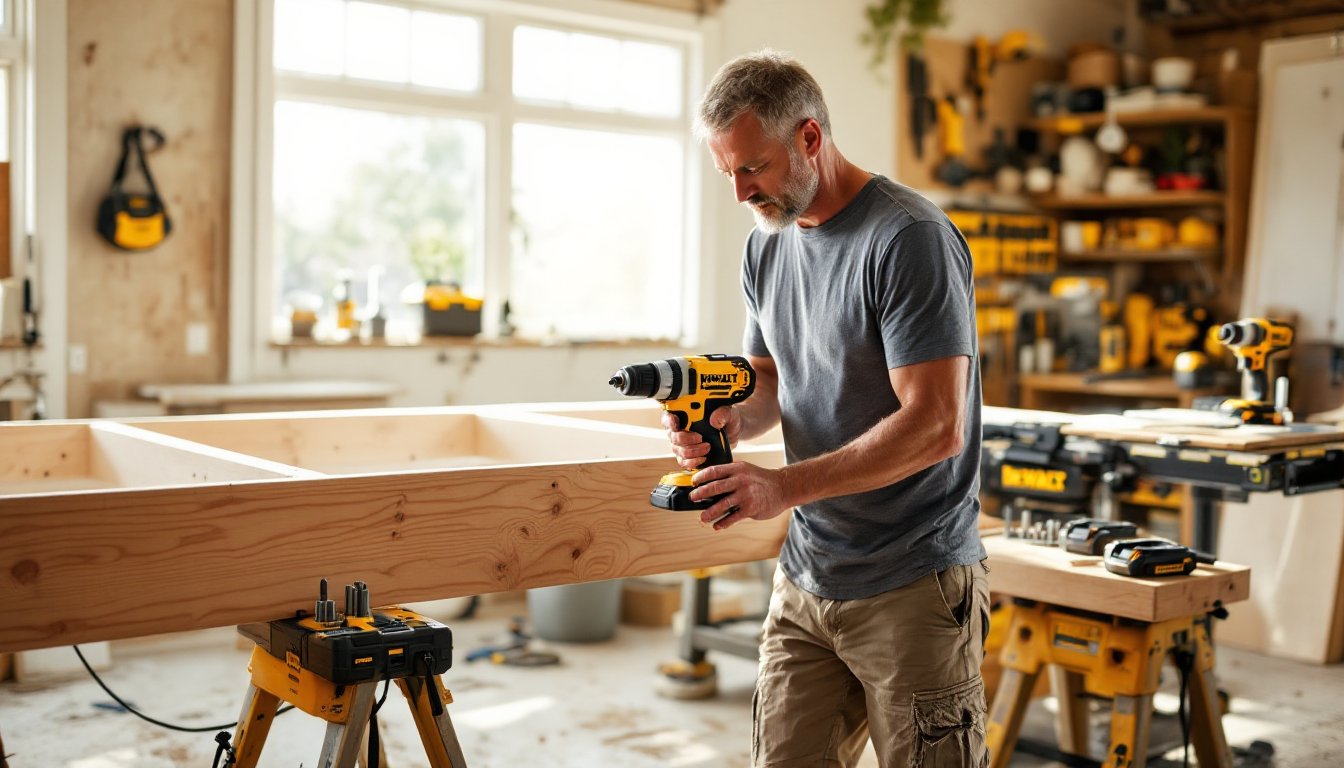
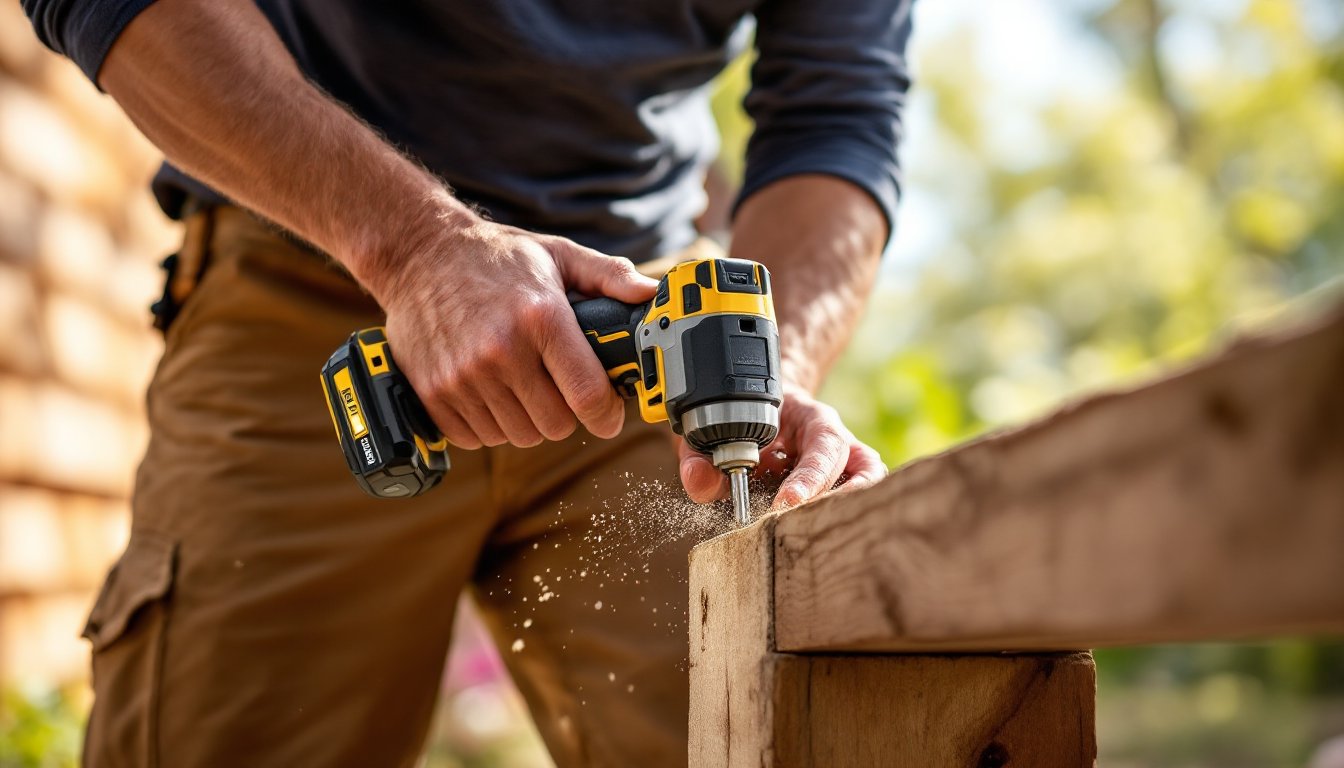
An impact nut driver is a specialized power tool designed to rapidly tighten or loosen fasteners with remarkable efficiency. Whether you’re assembling deck framing, hanging heavy shelving, or tackling automotive repairs, this tool delivers the torque needed to drive nuts and bolts quickly without the hand fatigue that comes from manual methods. Unlike traditional hand tools or standard drills, an impact nut driver combines speed, precision, and consistency, making it invaluable for homeowners and DIY enthusiasts tackling projects that demand reliable fastening performance. If you’ve ever spent an afternoon wrestling with a stubborn bolt or felt your wrist strain from repetitive driving, you’ll recognize why contractors and skilled DIYers have made this tool a staple on job sites.
Table of Contents
ToggleKey Takeaways
- An impact nut driver delivers 2,000 to 3,000 rapid rotational impacts per minute, generating 150 to 400+ foot-pounds of torque to break free frozen bolts and speed up fastening tasks.
- Unlike traditional drills or hand tools, an impact nut driver absorbs rotational reaction and eliminates wrist fatigue, making it ideal for long fastening projects on decks, fences, and structural work.
- Use an impact nut driver for large fasteners (½-inch and larger), rusted or corroded bolts, and heavy-duty projects; reserve manual tools for precision work where over-tightening risks damage.
- Choose an 18-volt model for lightweight everyday fastening or a 20-volt brushless model for sustained power on larger structural bolts and tougher materials.
- Invest in a magnetic impact nut driver set with impact-rated sockets (not standard ones) to prevent cracking and ensure the tool maintains reliability across hundreds of fastening jobs.
- An impact nut driver transforms time-intensive fastening tasks like deck building and outdoor structure assembly from hours of manual labor into focused, efficient work sessions.
What Is an Impact Nut Driver?
An impact nut driver is a handheld power tool that uses rapid rotational impacts to drive and remove fasteners. Unlike a standard drill, which applies continuous rotational force, an impact nut driver delivers discrete, high-torque bursts in quick succession, typically 2,000 to 3,000 impacts per minute. This hammering action, delivered through a specially designed chuck or collet, allows the tool to transfer energy directly to the fastener, cutting through rust, corrosion, and resistance that would bog down a conventional drill.
The tool features a socket or bit holder at the tip, most commonly accepting ½-inch or ¼-inch hex shanks. A magnetic impact nut driver set includes various socket sizes and bits to handle different fastener diameters, anything from small hardware to large structural bolts. The motor, powered by a rechargeable lithium-ion battery in most modern versions, cycles on and off in controlled pulses, creating the characteristic percussion effect that makes the job faster and often easier on your hands than manual turning or spinning with a trigger.
Key Features That Make Impact Nut Drivers Effective
High Torque Output and Power
The hallmark of an impact nut driver is its extraordinary torque output relative to its size. A mid-range cordless impact nut driver can deliver 150 to 300 foot-pounds of torque, enough to break free frozen bolts that would require a breaker bar or extend your arm to a painful angle with a ratchet wrench. This power comes from the impact mechanism itself: short, violent rotational impulses stack up to produce tremendous rotational force without requiring the user to muscle the tool.
Torque ratings vary widely. A compact ¼-inch model might deliver 150 foot-pounds, while a full-size ½-inch drive unit can exceed 400. Voltage of the battery also matters, an 18-volt tool is lighter and faster for everyday fasteners, while a 20-volt or brushless model provides more sustained power for heavy-duty work. For deck-building or fence installation, a mid-range 18-volt model handles 95% of common fasteners: for automotive work or structural bolts, step up to 20 volts or higher.
Durability and Reduced User Fatigue
Repeated drilling or turning fasteners by hand or with a standard drill exhausts your wrist, forearm, and shoulder. An impact tool absorbs the rotational reaction, eliminating wrist twist and the feedback shock that fatigues joints. You guide: the tool does the work. Over a day of fastening, that difference is profound.
Impact nut drivers are also built to withstand repeated impact, internal gears and bearings are reinforced, and the chuck or socket collet resists cracking. A magnetic impact nut driver set includes sockets specifically hardened for impact forces: standard sockets will eventually chip or strip because they’re not designed for the percussive load. The magnetic tip on some sockets is a small but clever feature, preventing fasteners from spinning out mid-installation and saving frustration on overhead or tight-access jobs.
Impact Nut Driver vs. Traditional Tools: When to Use Each
A cordless drill is versatile and adequate for light fastening, hanging drywall anchors, assembling furniture, driving small deck screws. An impact driver, but, excels when speed and torque matter. Consider the task:
Use an impact nut driver when:
- Installing structural bolts, carriage bolts, or hex-head fasteners ½-inch and larger
- Working with rusted or corroded fasteners that resist turning
- Fastening into hardwood, composite decking, or engineered lumber where torque drop-off occurs midway through the hole
- Assembling heavy-duty projects like garden sheds, retaining walls, or automotive work
- You’re driving dozens of identical fasteners and speed matters (deck framing, metal roofing)
Use a traditional ratchet or socket wrench when:
- Precision is critical and you risk stripping or over-tightening (engine work, plumbing, electrical connections that require hand-feel feedback)
- Working in tight spaces where a power tool doesn’t fit
- You don’t have battery power available on-site
- The fastener is delicate or the surrounding material fragile
Many DIYers own both. A corded or cordless impact nut driver handles rough work fast: a manual ratchet or standard drill gives you fine control when needed. Professionals often keep a Family Handyman guide bookmarked for task-specific advice on tool selection.
Practical Applications for Homeowners and DIY Enthusiasts
Deck and fence building is where impact nut drivers truly shine. Fastening ½-inch lag bolts through pressure-treated lumber into post holes, rim boards, or concrete footings goes from a 20-minute wrestling match to a 90-second job. The tool bites cleanly through grain, and the impacts keep torque steady even as wood density shifts. Use a socket, never a hex bit in a standard chuck, to avoid stripping.
Outdoor structure assembly, like pergolas, gazebos, or metal swing sets, relies on multiple bolts and fasteners. A magnetic impact nut driver set streamlines the work, and the magnetic socket reduces dropped fasteners in grass or on a deck.
Shed and garden structure projects benefit similarly. Whether you’re building a storage box, chicken coop, or raised garden bed frame, torque and speed combine to let you complete framing and fastening in one focused session instead of spread over days.
Automotive and equipment work is where professionals use impact drivers daily. Removing lug nuts from a tire, fastening an engine mount, or installing new hardware on lawnmower decks all demand reliable torque and speed. A cordless impact nut driver, paired with the right socket, does the job faster and cleaner than a breaker bar.
Home repair projects, like installing heavy shelving anchors in drywall, fastening lag bolts into studs, or assembling metal shelving units, are quicker and cleaner with an impact tool. Consider Bob Vila’s advice on project planning to determine whether an impact nut driver fits your scope.
Choosing the Right Impact Nut Driver for Your Projects
Battery voltage is a primary spec. An 18-volt tool is lighter, faster to charge, and adequate for fasteners up to ⅜-inch. A 20-volt or brushless model offers sustained power for larger fasteners and tougher materials. If you already own a cordless drill in one brand’s ecosystem, buying an impact driver from the same manufacturer lets you swap batteries, saving cost and clutter.
Socket size matters. Most compact models use ¼-inch hex shanks: heavy-duty versions use ½-inch drive. For homeowners, a ¼-inch or ⅜-inch model handles 90% of fastening jobs. ½-inch drive is overkill unless you regularly work with large structural bolts or automotive fasteners.
Torque rating should match your fastener size. A 150-foot-pound tool is fine for deck fasteners and light structural work. Jump to 250+ foot-pounds if you regularly encounter rusted or frozen fasteners or work with hard materials.
Included socket sets vary widely. A magnetic impact nut driver set often includes sockets from ¼-inch to ¾-inch hex, enough for most projects. Verify the set includes impact-rated sockets (not standard ones), as standard sockets can crack under repeated impact. Look for sets with a carrying case: they keep bits organized and protect your investment.
Brushless vs. brushed motors affects longevity and battery life. Brushless motors are more efficient, last longer, and generate less heat. They cost more upfront but pay for themselves over time if you use the tool frequently. For occasional homeowner use, a brushed motor is adequate: for regular projects, brushless is worth the premium.
Before purchasing, test the weight in your hand, most impact drivers are lightweight, but a full-size model can feel unwieldy during overhead fastening. Visit a retailer or check This Old House product reviews to see how others rate specific models in real-world use.