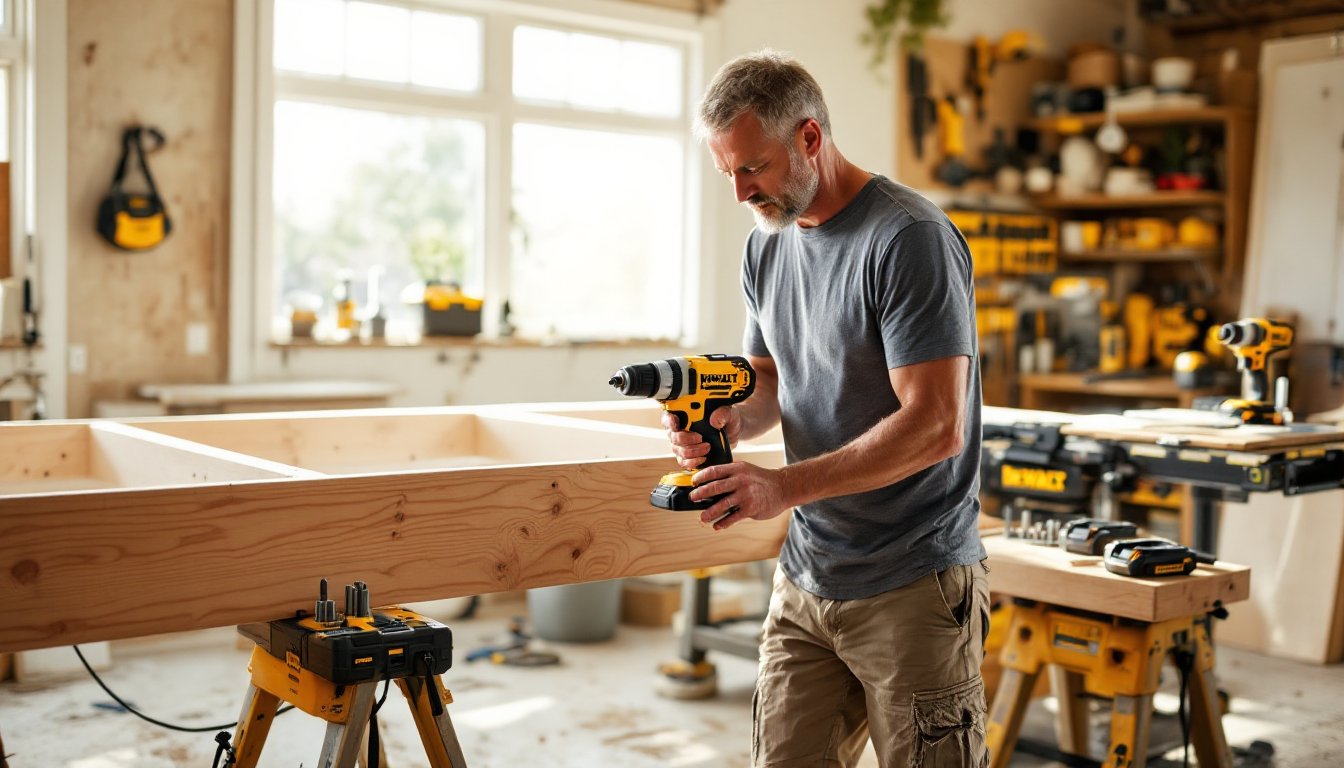
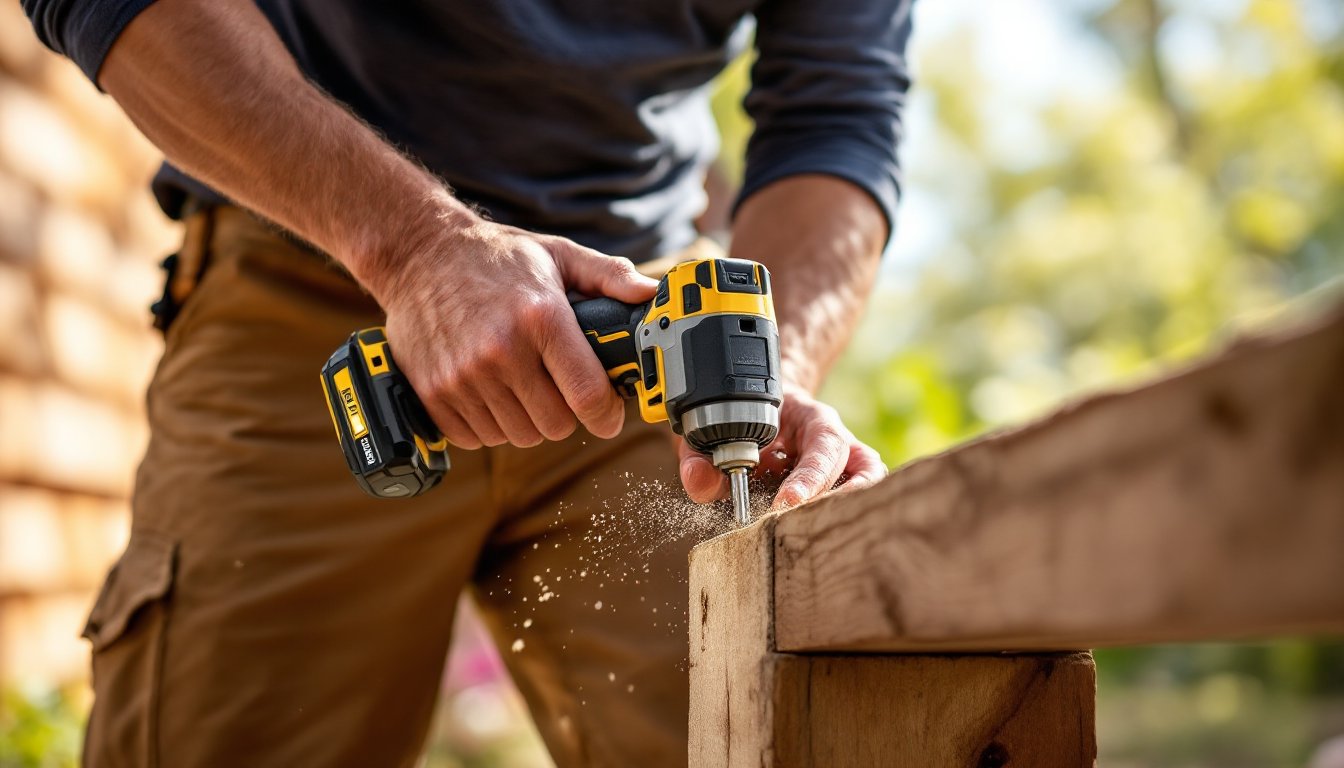
If you’ve ever wrestled with a stuck fastener or driven dozens of screws by hand, you know how quickly a manual impact driver becomes your best friend in the workshop. Unlike power drills, a manual impact driver uses straightforward physics, you strike the handle with a hammer, and it delivers rotational force with minimal effort on your part. It’s portable, quiet, and requires no battery or cord. Whether you’re assembling furniture, removing rusted bolts, or working on tasks where cordless tools aren’t practical, understanding when and how to use a manual impact driver can save your hands from fatigue and get the job done faster. This guide walks you through what these tools are, how they work, and how to pick the right one for your projects.
Table of Contents
ToggleKey Takeaways
- A manual impact driver converts hammer strikes into rotational force to loosen stuck fasteners and drive screws without batteries or power, making it ideal for seized bolts and confined spaces.
- Manual impact drivers are quieter, more portable, and more affordable ($15–$50) than cordless power tools, giving you complete control over each strike with no risk of over-driving fasteners.
- Choose between 1/4-inch drive for light work and screws or 3/8-inch drive for larger bolts, and prioritize reversible direction switches and magnetic bit holders for versatility.
- Pair your manual impact driver with a 12–16 ounce hammer, align the tool squarely with the fastener, and use penetrating oil on rusted bolts to maximize effectiveness.
- A manual impact driver excels on jobs involving 10–50 fasteners where precision and control matter; for large-scale projects with hundreds of fasteners, a power tool is genuinely faster.
What Is a Manual Impact Driver and How Does It Work?
A manual impact driver is a hand-held tool that converts rotational force into striking blows when you hit the handle with a hammer. Inside the tool’s head, a spring-loaded mechanism stores energy with each strike and releases it to turn the fastener. The basic design has a socket sleeve that holds a bit or socket attachment, and when you apply hammer force, the internal cam mechanism locks and rotates, driving or extracting the screw or bolt.
The magic happens because impact energy is more efficient than twisting force alone. When you apply steady pressure with a regular wrench or screwdriver, friction can lock a stubborn fastener in place. But the repeated impacts from a manual impact driver generate torque spikes that overcome that friction, especially on rusted or overtightened fasteners. Unlike electric impact drivers, manual models store and release energy at a human-controlled pace, you control the force with hammer weight and strike intensity.
Common manual impact drivers come with adjustable hex sockets or bit holders that accept standard 1/4-inch or 3/8-inch drive bits. Some models include a direction-reversal switch so you can both tighten and loosen fasteners. The entire assembly typically weighs between 8 and 12 ounces, making it light enough for sustained use without arm fatigue.
Key Differences Between Manual Impact Drivers and Power Tools
The main difference is energy source. A cordless impact driver needs a charged battery, while a manual impact driver only needs a hammer and your arm. This makes manual models cheaper upfront (typically $15–$50 versus $100–$300 for cordless) and they never run out of battery mid-project.
Speed and convenience favor power tools. An electric impact driver spins continuously and fastens multiple screws faster. But for stubborn fasteners, seized bolts, or light assembly tasks where you’re driving only a handful of fasteners, the manual tool performs just as well, and sometimes better because you can feel the feedback through the handle.
Noise is another factor. Power drills and impact drivers whine and buzz: manual tools are nearly silent except for the hammer strike itself. That’s valuable if you’re working early morning, late evening, or in shared spaces. Precision also differs: a manual driver gives you total control over each strike and rotation, so you won’t accidentally over-drive a fastener into soft wood or strip a bolt.
Power tools excel in high-volume work, repetitive fastening, and drilling. Manual impact drivers shine when you need portability, silence, and control, or when you’re working on a project that doesn’t justify the cost of a power tool.
When to Use a Manual Impact Driver on Your Projects
Manual impact drivers are ideal for extracting stuck or rusted fasteners. A seized bolt that won’t budge with a wrench often releases instantly with impact force. This is especially valuable on older furniture, vintage machinery, or outdoor equipment that’s been exposed to weather.
Assembly projects benefit from manual drivers too. Building shelves, assembling cabinet hardware, or attaching hinges involves driving multiple fasteners with precision. One strike per fastener keeps you in control and prevents the over-driving that powered drills can cause on soft woods or thin materials.
Manual impact drivers work well in confined spaces where a cordless drill won’t fit, such as the interior of a cabinet or under a sink. They’re also perfect for projects on job sites without power access or for quick touch-ups when you don’t want to hunt down a battery and wait for it to charge.
Choosing a manual impact driver for simple extraction tasks saves time compared to struggling with a ratchet or screwdriver. But, if you’re driving hundreds of fasteners for a large deck or framing project, a power tool is genuinely faster. The manual version shines on jobs of 10–50 fasteners where convenience and control matter most.
How to Choose the Best Manual Impact Driver for Your Needs
Start by considering the fastener sizes you’ll drive most often. Standard 1/4-inch drive models handle screws and small bolts: 3/8-inch drive tools work with larger bolts and sockets. If you’re mainly driving wood screws and machine screws, 1/4-inch is sufficient and lighter. If you frequently work with automotive fasteners or structural bolts, 3/8-inch provides more reach and torque capacity.
Socket capacity matters too. Look for models that accept both hex sockets and bit holders so you can switch between standard bolts and Phillips, square, or torx fasteners. A reversible mechanism lets you both tighten and loosen, which is essential if you’re removing fasteners.
Weight and balance affect fatigue during extended use. Heavier impact drivers generate more torque but tire your wrist faster. Most manual models weigh 8–12 ounces: test one in your hand if possible to confirm comfort. Grip texture also counts, a textured or rubberized handle reduces slip when you’re working with gloved hands or in dusty conditions.
Build quality separates tools that last decades from those that wear out in a season. Look for models with hardened steel gears and a solid spring mechanism. Cheap plastic housings crack under repeated impact, and worn gears strip or slip. Reading user reviews on workshop-focused sites like Popular Mechanics or Fix This Build That reveals long-term durability better than a product photo.
Important Features to Look For
Adjustable impact frequency: Some models include a collar or spring tension dial that lets you control how aggressively the tool strikes. Light settings suit delicate work: heavy settings suit seized bolts.
Magnetic bit holder: A magnetized tip holds bits securely so they don’t fall into cavities or under floorboards during overhead work.
Reversible direction switch: A lever that flips the rotational direction from clockwise to counterclockwise is essential for both fastening and removal.
Multiple socket sizes included: A quality manual driver often ships with 2–4 common sockets and a bit holder, so you’re ready to work immediately.
Comfort grip: Non-slip, cushioned handles reduce hand fatigue and let you maintain control when striking with a hammer.
Tips for Using Your Manual Impact Driver Effectively
Secure your workpiece first. A manual impact driver won’t spin or wander like an electric drill, but the fastener itself might slip or rotate under impact if it’s not held firmly. Clamp your work or use a vise when possible, especially when working overhead or in tight spaces.
Use a hammer weight matched to your tool. A 12–16 ounce framing hammer pairs well with most manual impact drivers. Too light a hammer (4 ounces) won’t deliver enough force: too heavy (over 20 ounces) wastes energy and fatigues your arm. Strike the handle firmly but not with wild force, controlled, deliberate strikes are more effective than desperate whacks.
Align the tool with the fastener. A manual impact driver only works if the socket sits flush on the fastener’s head. Crooked angles cause the bit to slip or round off the fastener, especially on Phillips screws or old damaged bolts. Square your tool to the fastener before each strike.
Start stubborn fasteners with penetrating oil. If a fastener is rusted or seized, spray it with WD-40, PB Blaster, or a similar penetrating lubricant and wait 15–30 minutes before striking. The lubricant softens corrosion, and combined with impact force, the bolt usually releases cleanly.
Wear appropriate PPE. Impact work produces loud hammer strikes and can launch debris. Wear safety glasses or a face shield, and consider ear protection if you’re striking all day. Gloves protect your hands from sharp edges on older fasteners, but make sure they fit snugly so they don’t get caught in the mechanism.
Know when to stop. If a fastener won’t budge after 10–15 strikes, applying more force risks stripping the bolt head or damaging the tool. Switch to a different approach: heat the fastener with a heat gun to expand it, use penetrating oil and wait longer, or switch to a larger wrench or vice if available.
Conclusion
A manual impact driver is a simple, reliable tool that deserves a spot in every DIYer’s workshop. It costs little, requires no charging, and handles stuck fasteners and light assembly work with efficiency that cordless tools can’t always match. By understanding how it works, knowing when to use it, and choosing one suited to your fastener sizes and work style, you’ll have a tool that lasts decades and saves your hands from unnecessary strain on countless projects ahead.