Thinking about selling your home without a realtor? It might sound like trying to bake a soufflé without a recipe, daunting and a little crazy. But hang tight, because going the FSBO (For Sale By Owner) route can save you thousands in commission fees and give you full control of your sale. With the right knowledge and tools, you can pull it off like a pro. So, grab your favorite coffee and let’s jump into the world of selling a home without a realtor, who knows, you might just end up being the next FSBO success story.
Understanding The For Sale By Owner (FSBO) Process
Selling a home without a realtor begins with understanding the FSBO process. First things first, homeowners must educate themselves about the ins and outs of real estate transactions. This knowledge is crucial: it helps in making informed decisions and avoiding pitfalls that could derail the sale.
The FSBO process starts with setting the right price. Many homeowners think they can simply slap a price tag based on gut feelings. Instead, they should conduct competitive market analysis. Looking at similar homes in the area can provide a clearer picture of what to expect.
Next comes listing the home. Homeowners can use online platforms, social media, and even traditional flyers to reach potential buyers. Each method has its perks and may appeal to different audiences.
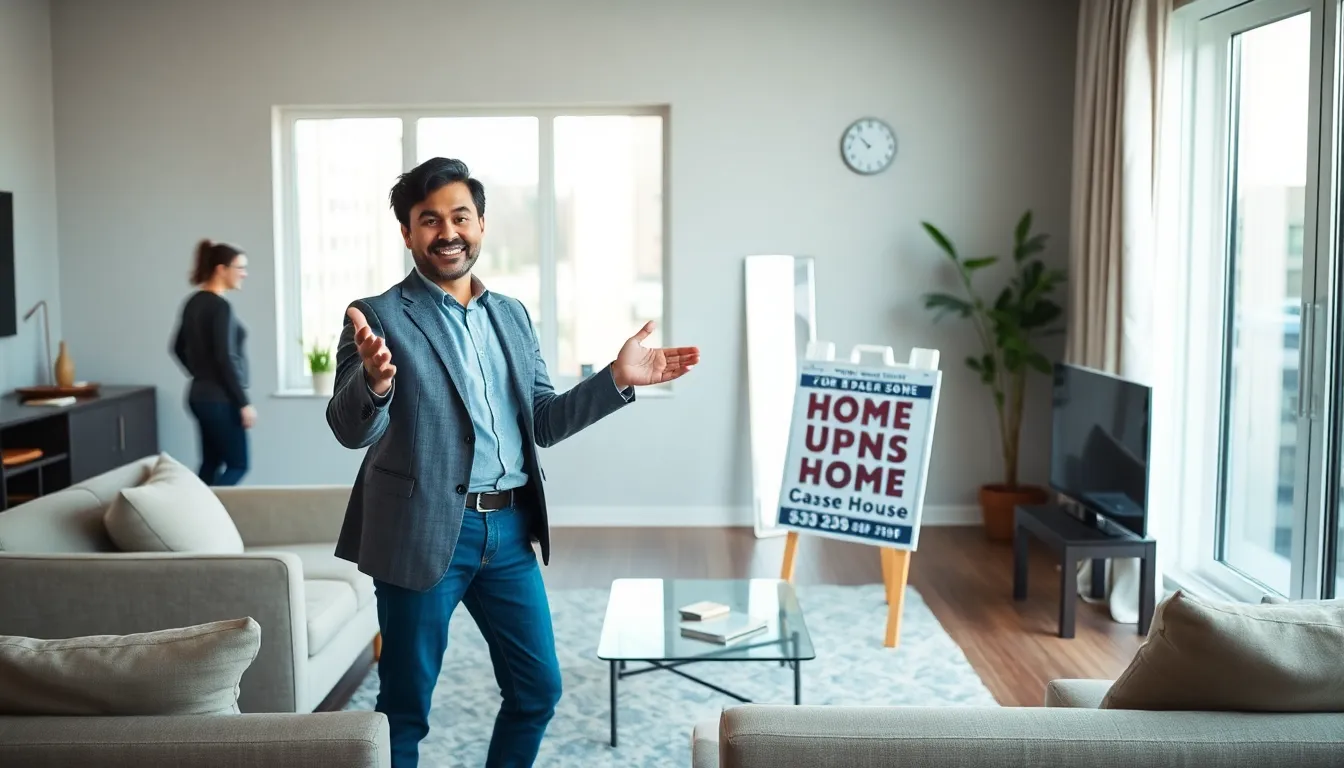
Once listed, organizing showings becomes essential. Open houses or scheduled viewings allow potential buyers to explore the property and envision themselves living there. During these showings, homeowners should be prepared to answer questions buyers might have, demonstrating confidence and knowledge about their property.
Benefits Of Selling Without A Realtor
Going the FSBO route presents several enticing benefits. To start with, the most appealing aspect is the potential to save money. By skipping the realtor fees, often ranging from 5-6% of the sale price, homeowners can put that cash back in their pockets.
Also, homeowners retain complete control of the process. They can dictate showings, negotiate prices, and eventually decide on the sale timeline. This hands-on approach can often lead to a more personal transaction, ensuring that sellers are confident that everything aligns with their best interests.
Also, when selling without a realtor, sellers often develop a deeper understanding of their property and the local real estate market. This experience can be invaluable for future transactions, whether buying or selling.
Potential Drawbacks To Consider
But, selling a home without a realtor isn’t all sunshine and rainbows. The first significant challenge is the amount of time and effort required. Homeowners need to handle everything, from marketing their property to navigating negotiations, all on their own.
Another considerable drawback is the potential lack of exposure. Realtors have access to extensive networks and marketing tools, often connecting sellers with a larger pool of buyers. Without this, homeowners might miss out on potential offers.
Finally, legal complications can arise if homeowners aren’t well-versed in real estate laws. Mistakes in paperwork or negotiations could lead to delays or even legal disputes, making it crucial for sellers to do their assignments.
Preparing Your Home For Sale
Preparation is key when selling a home without a realtor. First, homeowners should declutter and depersonalize their space. A clean, minimalist environment allows potential buyers to visualize how they would use the space.
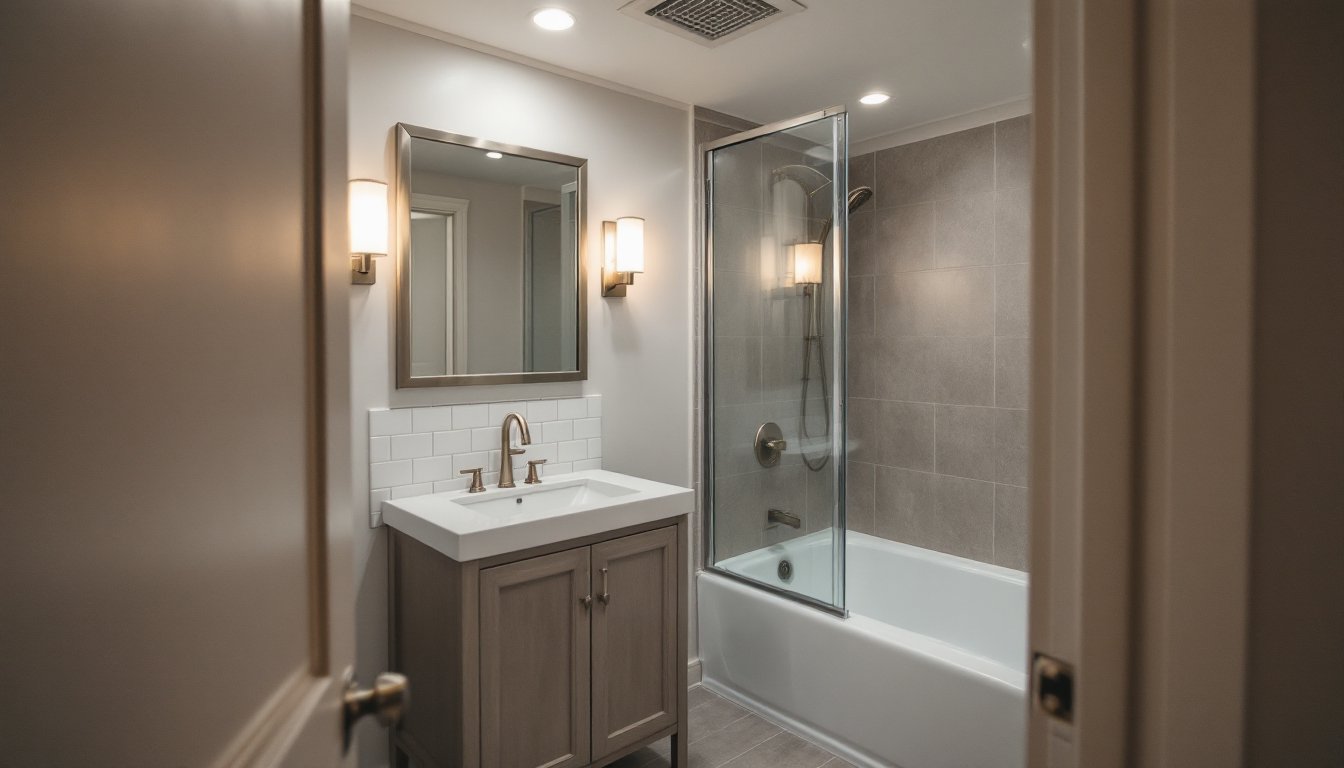
Next, consider making minor repairs. Fixing leaky faucets, repainting scuffed walls, and ensuring the home is in tip-top shape can snag interested buyers.
Staging the home is another essential step. This can involve rearranging furniture to create a more inviting atmosphere or even hiring a staging professional. The goal is to make the home irresistible, leaving a lasting impression on visitors.
Marketing Your Home Effectively
When it comes to marketing a home, creativity is paramount. Sellers should start with high-quality photos that showcase the home’s best features. Consider hiring a professional photographer: good visuals can make a world of difference.
Also, utilizing multiple online platforms can draw in potential buyers. Listing the property on popular real estate websites, social media platforms, and community boards can dramatically increase visibility.
Crafting a compelling listing description is another vital element. The information should not only provide essential details but also evoke emotions. Highlighting the home’s strengths, like proximity to schools, parks, or shopping areas, can resonate with buyers.
Navigating Legal Requirements
Legalities are often the most intimidating aspect of selling a home. Homeowners must familiarize themselves with disclosure laws, which vary by state. These regulations often require sellers to inform buyers about any issues concerning the property. Staying compliant is crucial to avoiding future disputes.
Next, understanding contracts is essential. Homeowners should either consult with a legal professional or thoroughly research common real estate contracts. This knowledge helps ensure that every term is understood and acceptable.
Finally, preparing for closing costs is necessary. Sellers will need to account for various fees, including title insurance, taxes, and even transfer fees, which could take a bite out of the profits. Staying organized during this phase can streamline the process.
Negotiating Offers And Closing The Sale
Once offers start rolling in, negotiation skills become paramount. Sellers should evaluate each offer carefully, considering not just the price but also the buyer’s financial situation and contingencies. Being open yet strategic during negotiations can lead to a favorable outcome.
Homeowners may want to counter with a better offer or a specific condition that the buyer should meet. This back-and-forth can be stressful but it’s vital to stick to any pre-determined limits established ahead of time.
Finally, once a deal is reached, the closing process begins. This phase typically involves various final steps, from inspections to paperwork. Staying proactive and responsive during this period can ease any tensions and ensure a smooth closing.