Tiny house resorts represent a refreshing departure from conventional vacation accommodations. Instead of sprawling hotel chains and cookie-cutter rooms, these properties offer charming, compact dwellings that prioritize thoughtful design and authentic experiences. A tiny house resort combines the intimacy of a private home with the amenities and community of a resort setting. Whether nestled in coastal landscapes, mountain regions, or rural countryside, tiny house resorts attract travelers seeking something different, spaces that feel personal, sustainable, and deliberately designed. They’re gaining traction with homeowners and design enthusiasts who appreciate smart space planning and appreciate how small living done right can feel spacious and luxurious.
Table of Contents
ToggleKey Takeaways
- A tiny house resort clusters 10–30 self-contained dwellings (200–600 sq ft) with private entrances, kitchens, and bathrooms, prioritizing intimate experiences over institutional hotel stays.
- Tiny house resorts are gaining popularity because they appeal to travelers seeking authentic, Instagram-worthy experiences, sustainability, and flexible long-term stays in smaller towns.
- Successful tiny house resort design relies on space-maximizing layouts like open-concept living, mezzanine lofts, built-in storage, and strategic window placement to create spacious, light-filled environments despite compact square footage.
- Outdoor living integration—including decks, patios, walking paths, and community gardens—extends functional living space and fosters a neighborhood atmosphere that distinguishes exceptional resorts.
- Top tiny house resort destinations span California’s coast, Colorado and Oregon mountains, Arizona deserts, and Scandinavian countries, with properties commanding premium rates by combining design coherence with unique locations and on-site amenities.
- Guests at tiny house resorts experience streamlined check-in, optional community activities, and the added benefit of learning sustainable design techniques through transparent, thoughtfully constructed interiors.
What Is A Tiny House Resort?
A tiny house resort is a hospitality concept where multiple small-footprint dwellings (typically 200 to 600 square feet) are clustered on shared grounds. Unlike traditional hotels, each unit is a self-contained home with its own entrance, kitchen, and full bathroom. Guests enjoy privacy and independence while the resort provides common spaces, a community center, walking paths, dining areas, creating a neighborhood atmosphere rather than an institutional feel.
These resorts prioritize quality over quantity. A single property might feature 10 to 30 units instead of hundreds of rooms, preserving a quieter, more curated experience. Many tiny house resorts emphasize sustainability through energy-efficient design, renewable materials, and minimal environmental footprint. The typical unit includes a bedroom or sleeping loft, a compact kitchen with full appliances, a bathroom, and a living area with thoughtful storage solutions. Some include outdoor decks or patios, treating the property’s grounds as an extension of living space.
Why Tiny House Resorts Are Gaining Popularity
Tiny house resorts tap into several converging trends. First, travelers are increasingly seeking authentic, Instagram-worthy experiences over anonymous hotel stays. A design-forward tiny home feels like stepping into a styled magazine spread rather than a corporate room.
Second, younger generations and downsizers value experiences and sustainability over material accumulation. Staying in a tiny house resort signals an interest in minimalism and environmental responsibility. Third, tiny homes in rural areas have sparked broader curiosity about small-space living, making the concept accessible and appealing to mainstream travelers. The flexibility of remote work means longer stays in smaller towns, making a cozy, fully equipped cottage more practical than a hotel room.
Economically, tiny house resorts can offer competitive nightly rates while maintaining higher profit margins than traditional hotels due to lower operating costs and simplified maintenance. For property owners, the concept allows development on smaller land parcels and appeals to eco-conscious investors. The rising cost of traditional resort development has made the smaller-unit model financially attractive.
Design Features That Make Tiny House Resorts Work
Space-Maximizing Layouts
Successful tiny house resorts hinge on intelligent floor plans. Every inch serves a purpose, there’s no wasted hallway or vestigial closet. Most units use open-concept living, combining kitchen, dining, and seating in one flowing area. This creates a sense of spaciousness even though compact square footage.
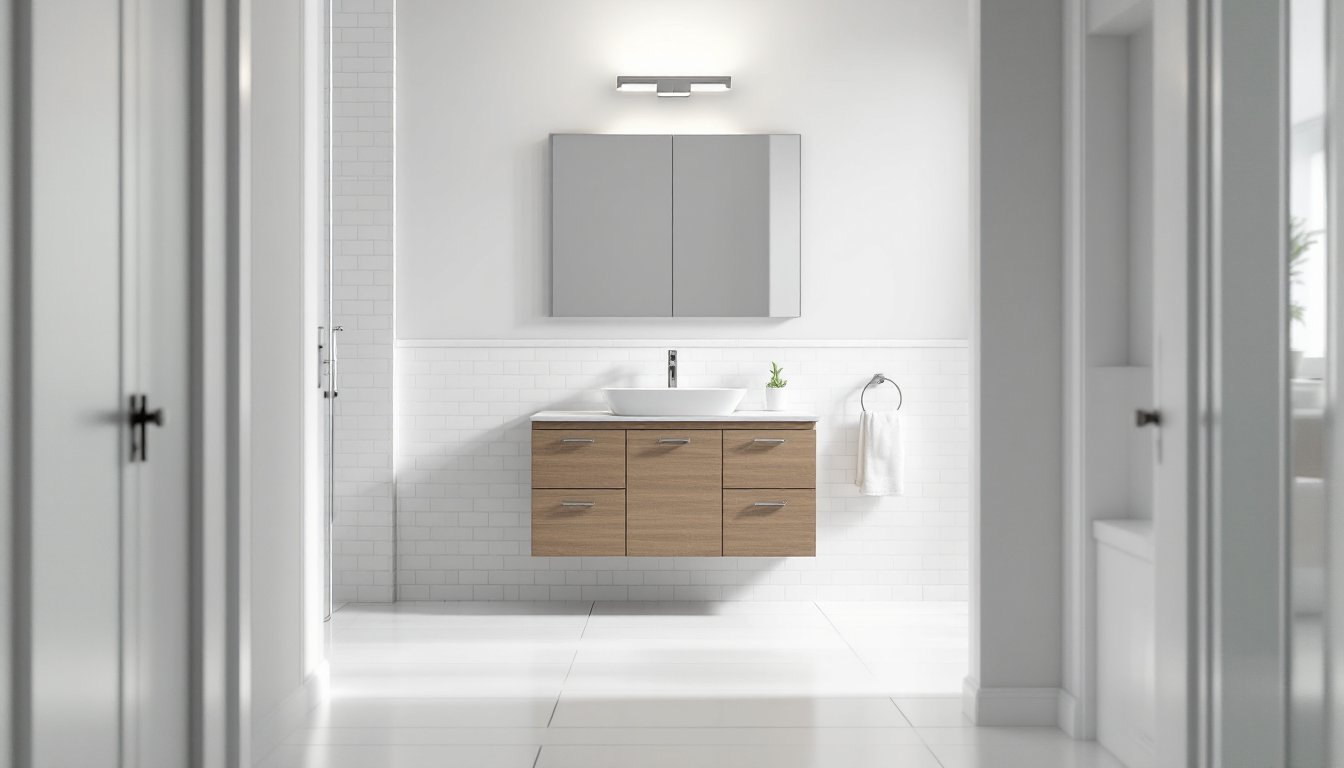
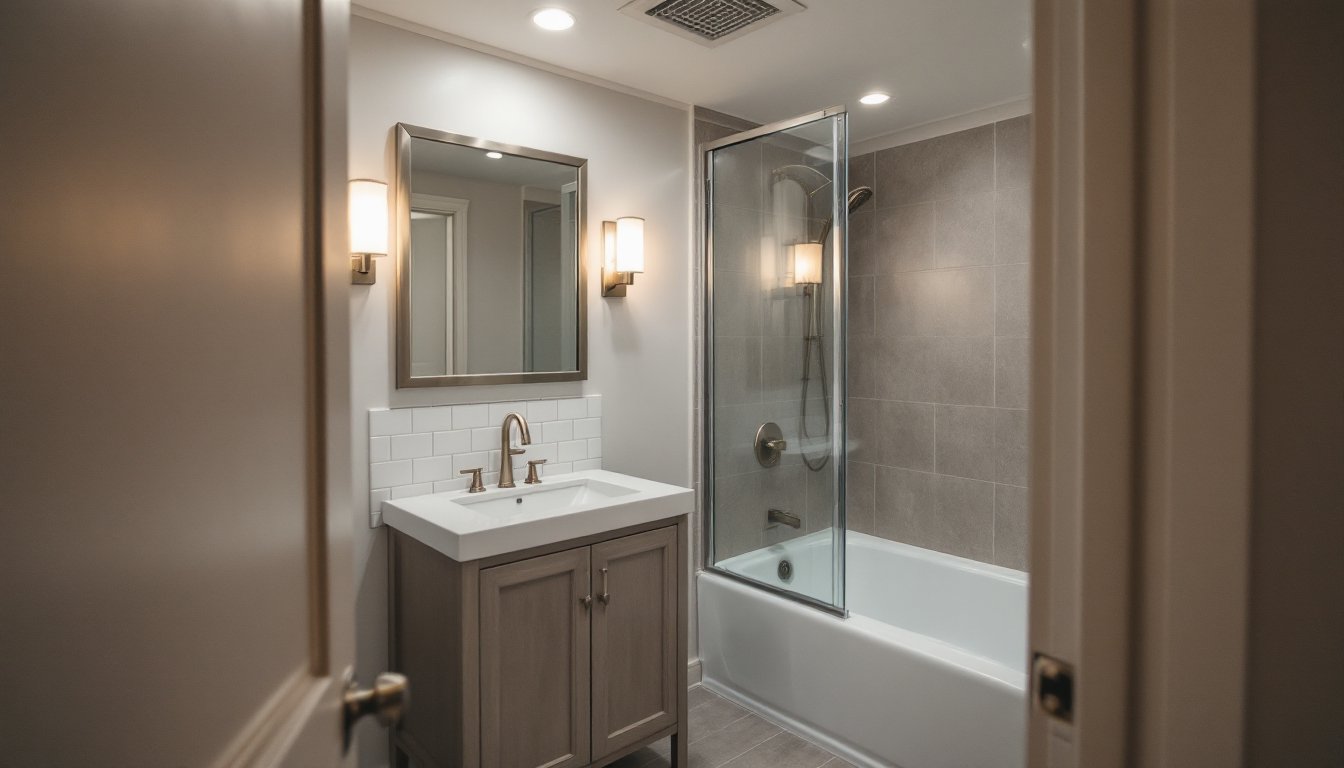
Mezzanine sleeping lofts are common, freeing up ground-level square footage for living and dining. Built-in storage, under-stair drawers, wall niches, corner shelving, eliminates the need for freestanding furniture that consumes floor space. Kitchen layouts often use galley configurations with efficient appliance placement, bringing the stove, sink, and refrigerator within a few steps. Bathrooms maximize utility through compact fixtures and clever ventilation without feeling cramped. Ceilings are typically 9 to 10 feet to prevent a bunker-like feel, and window placement is strategic to amplify natural light and create visual depth.
Outdoor Living Integration
The magic of a tiny house resort isn’t just indoors, it’s the seamless transition to outdoor space. A generous deck or patio extends the functional living area and provides privacy screens between units. Many designs feature small space living ideas that treat patios as outdoor rooms with seating, fire pits, or garden spaces.
The resort grounds themselves become part of the vacation experience. Walking paths connecting units, community gardens, and gathering spaces foster a neighborhood vibe. Some properties integrate outdoor dining areas, hot tubs, or fire rings where guests can socialize. Landscaping uses native plants requiring minimal maintenance while enhancing aesthetics. This approach, treating the entire property as interconnected living spaces rather than individual boxes on a lot, distinguishes resorts that feel intentional and inviting from those that feel sterile.
Top Tiny House Resort Destinations To Visit
Several destination resorts have successfully executed the tiny house concept. The Dillon Beach Resort features charming tiny cottages in California, ranging from 265 to 500 square feet with design-forward finishes and coastal views. Units blend sustainable materials with contemporary aesthetics, proving small doesn’t mean compromising on comfort.
Rural properties in Colorado, Oregon, and upstate New York have embraced the model, targeting guests seeking mountain retreats or pastoral escapes. Arizona’s desert properties attract winter travelers with outdoor-focused designs emphasizing shaded patios and cooling strategies. Some East Coast properties occupy historic farmland, creating agritourism experiences with farm-to-table dining and hands-on activities. Internationally, Scandinavian countries and New Zealand have pioneered luxury tiny house resorts, treating them as design destinations rather than budget accommodations.
Key differentiators among successful resorts include on-site amenities (restaurants, spas, activity centers), unique locations (waterfronts, mountains, national park proximity), and design coherence. Properties that succeed treat their tiny homes as a lifestyle statement, attracting design-conscious guests willing to pay premium rates for authenticity and thoughtfulness.
What To Expect During Your Stay
Arriving at a tiny house resort, guests enter a home, not a hotel lobby. Check-in is often streamlined, a brief orientation covering kitchen appliances, wifi access, thermostat controls, and local amenities replaces the traditional front desk. Your unit is ready to inhabit immediately, furnished and provisioned for self-catering or connecting to the resort’s dining services.
Daily life balances privacy with community. You’re free to retreat indoors, cook, and rest undisturbed, yet the compact resort footprint and gathering spaces encourage interaction with other guests if desired. Many properties host group activities, morning yoga, guided hikes, group dinners, or skill-building workshops, but attendance is optional.
Amenities vary widely. Full-service resorts include daily housekeeping, concierge services, and on-site restaurants. More casual properties offer weekly housekeeping and direct access to local dining. Utilities and wifi are included: some properties charge separately for premium services like spa treatments or activity packages.
Access to outdoor experiences is often a major draw. Hiking, kayaking, biking, or farm visits are marketed as part of the experience. Design and construction techniques featured in Fine Homebuilding articles often inspire guests to notice clever storage, insulation strategies, and material choices in their unit, making the accommodation itself an educational experience. The compact, high-design nature of the space means everything is visible and intentional, there’s an inherent transparency about how the space is built and furnished.
Conclusion
Tiny house resorts represent more than a budget accommodation trend, they’re a design philosophy that challenges assumptions about comfort and luxury. By marrying thoughtful spatial design, authentic experiences, and genuine hospitality, these properties offer vacations that feel curated and personal. For homeowners and design enthusiasts, they demonstrate that small spaces, when executed well, can deliver comfort, beauty, and community in equal measure.